Leave Your Message

How to Access Free Bearing Sample Testing Services for Your Projects

In the realm of engineering and manufacturing, the importance of quality assurance cannot be overstated. Whether you are developing a new product or refining existing designs, precise testing of components is imperative. One area that often requires meticulous examination is bearing performance. Accessing reliable testing services is crucial, and many professionals may not be aware of the options available, particularly those that come at no cost. This article aims to unveil how to access Free Bearing Sample Testing Services for your projects, providing a pathway to ensure your components meet the necessary standards and specifications.

By leveraging free testing services, engineers and developers can not only save on costs but also gain valuable insights into the performance characteristics of their bearings. Such services typically include assessments of load capacity, longevity, friction, and response to various operational conditions. These testing opportunities can be instrumental in driving innovation and improving product quality while staying within budget constraints.

In the following sections, we will explore practical strategies for locating and utilizing Free Bearing Sample Testing Services, equipping you with the knowledge to effectively enhance your project outcomes. Whether you are a seasoned expert or new to the field, understanding how to access these resources could be a game changer in your product development journey.

How to Access Free Bearing Sample Testing Services for Your Projects

Understanding the Importance of Bearing Sample Testing in Projects

How to Access Free Bearing Sample Testing Services for Your Projects

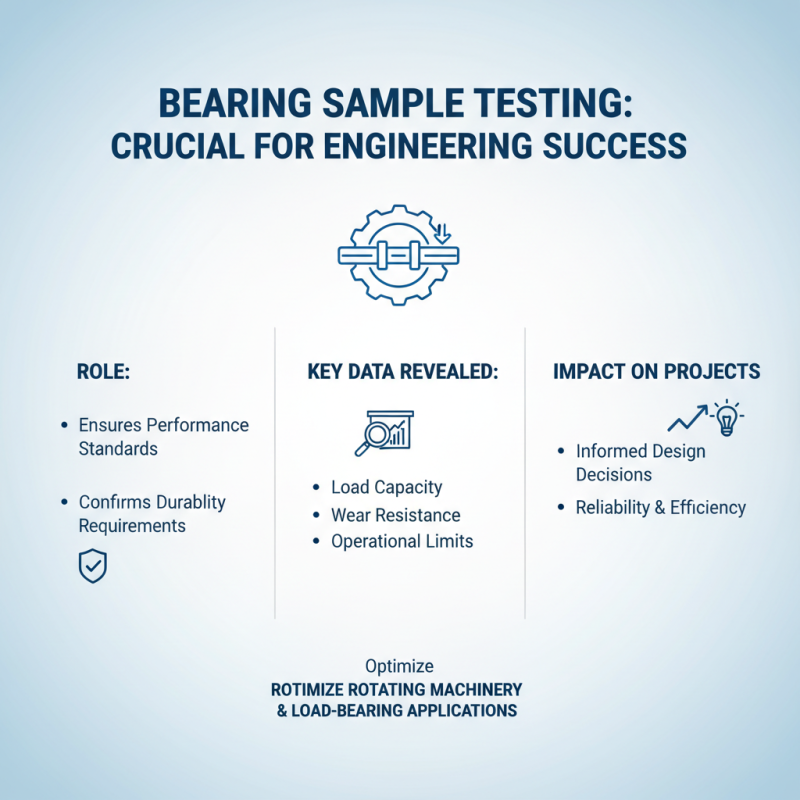
Bearing sample testing plays a crucial role in the success of engineering projects, especially those involving rotating machinery and load-bearing applications. By rigorously testing bearing samples, engineers can ensure that they meet the specific performance standards and durability requirements essential for their projects. These tests can reveal critical data about load capacity, wear resistance, and operational limits, which directly influence the design and functionality of the final product. Understanding these parameters helps in making informed decisions, ultimately leading to better reliability and efficiency.

Moreover, effective bearing sample testing aids in identifying potential failures before a product reaches the market. Through controlled testing environments, companies can simulate real-world conditions, allowing them to assess how bearings will perform under various stresses and temperatures. This proactive approach minimizes the risk of operational issues during service and can significantly reduce maintenance costs over time. By prioritizing bearing sample testing in the development phase, businesses can enhance their project's overall quality and longevity, ensuring they deliver products that meet user expectations and industry standards.

Identifying Organizations Offering Free Bearing Sample Testing Services

When seeking free bearing sample testing services, it is essential to identify organizations that specialize in this area. Various research institutions and technical universities often offer testing services as part of their engineering programs. These organizations typically have the necessary equipment and expertise to conduct comprehensive assessments of bearing samples. Additionally, they may be looking for partnerships with industries to enhance their research capabilities, making it a mutually beneficial arrangement.

Another potential source of free testing services can be found in industry associations and non-profit organizations dedicated to advancing engineering practices. These entities may provide free testing as part of their mission to support innovation and ensure quality standards within the industry. Networking at conferences, workshops, or technical seminars can highlight these opportunities. Engaging with representatives from these organizations can provide insights and possibly lead to access to their testing facilities. By exploring these avenues, project managers can leverage valuable resources while minimizing costs associated with bearing sample testing.

How to Access Free Bearing Sample Testing Services for Your Projects

Organization Type Service Offerings Application Process Turnaround Time Eligibility Requirements
University Research Labs Material testing, performance analysis Submit research proposal 4-6 weeks Affiliation with the university
Government Agencies Safety and compliance testing Application through their portal 2-3 weeks Must be a registered contractor
Nonprofit Organizations Prototype testing, durability assessments Submit an inquiry form 3-4 weeks Must address community benefit
Industry Associations Standard compliance testing Membership application 1-2 weeks Active member of the association
Private Testing Firms Custom testing and reporting Contact for consultation Varies Project scope details required

Steps to Apply for Free Bearing Sample Testing Services

To access free bearing sample testing services for your projects, the initial step involves identifying organizations or laboratories that offer such services. Conduct thorough research to find entities that focus on material testing and engineering services. These organizations often have dedicated programs for aiding businesses with product development by providing free or subsidized testing for specific samples. Make a list of potential institutions and review their eligibility criteria, ensuring that your project qualifies for the offered services.

Once you have identified suitable service providers, prepare a comprehensive application. This typically includes a detailed project proposal outlining your objectives, the specifications of the bearing samples you wish to test, and any relevant background information that highlights the significance of your project. Be clear and concise, emphasizing how the testing will contribute to innovative outcomes. Follow the application procedures provided by the organizations meticulously, as this will increase your chances of receiving the testing services you need to propel your project forward. After submission, be proactive in following up to confirm that your application has been received and to inquire about the timeline for testing.

Navigating the Process of Sample Submission and Evaluation

How to Access Free Bearing Sample Testing Services for Your Projects

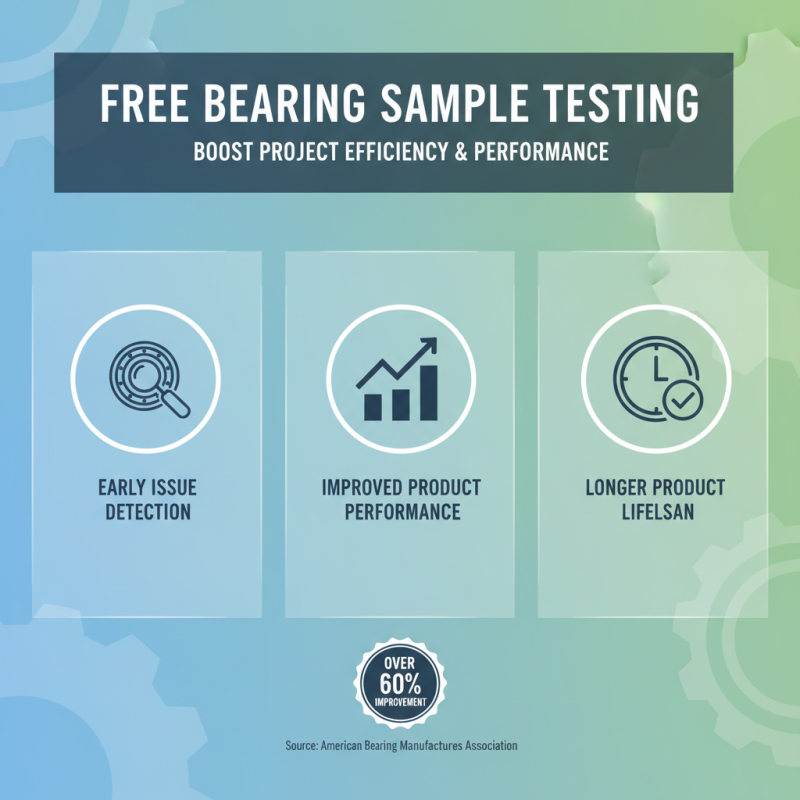
Accessing free bearing sample testing services can significantly enhance the efficiency of your projects. The process of sample submission and evaluation requires a clear understanding of industry standards and protocols. According to a recent report by the American Bearing Manufacturers Association, over 60% of companies that utilize bearing testing services report improved product performance and longevity due to rigorous evaluation methods. By leveraging these free services, businesses can identify potential issues early in the design process and optimize their products accordingly.

To navigate the submission process effectively, it's crucial to prepare a comprehensive documentation package. This should include detailed specifications of the bearings, usage scenarios, and specific tests required. Providing this information can facilitate quicker evaluations and ensure the testing aligns closely with your project needs. Furthermore, the International Organization for Standardization (ISO) reports that well-prepared documentation decreases processing times by nearly 25%.

Tips: Always consult with experts to determine the most relevant standards for your specific application. Additionally, consider joining industry forums to share experiences and gain insights from peers who have navigated similar testing processes. Establishing clear communication with testing facilities can also expedite your project timelines significantly.

Analyzing Testing Results and Implementing Feedback for Project Success

To achieve project success, it’s critical to analyze testing results meticulously. Once you receive your free bearing sample testing services, data collection begins. This data, which may include performance metrics such as load capacity, wear resistance, and temperature tolerances, is fundamental in evaluating whether your project goals are met.

Analyzing these results in a structured manner, possibly through statistical methods or visualization techniques, enables a clearer understanding of the bearings’ characteristics, allowing you to identify areas requiring improvement.

Implementing feedback based on these analyses is equally essential for progress. After identifying strengths and weaknesses in the testing results, the next step involves discussing necessary adjustments with your team or stakeholders.

Whether it’s altering design parameters or refining material choices, integrating feedback ensures that the final product aligns more closely with established project objectives. This iterative process not only enhances the quality of the bearings but also fosters a culture of continuous improvement, which is vital for long-term success in engineering projects.