Best Low Noise Electric Motor Bearings for Global Buyers?
In today's competitive market, the demand for Low-Noise Electric Motor Bearings is steadily increasing. These bearings are essential for reducing operational noise in various applications, from home appliances to industrial machinery. Dr. Michael Hartley, a renowned expert in bearing technology, emphasizes their significance: "LowNoise Electric Motor Bearings enhance efficiency and user experience by reducing sound pollution."
Choosing the right bearings involves understanding their features and applications. Low-noise bearings are designed with advanced materials and precision engineering. They minimize friction and vibrations. This results in quieter operation, extending the lifespan of electric motors. Buyers face challenges in navigating various options available in the global market. Their decision impacts performance and reliability.
The landscape of Low-Noise Electric Motor Bearings is evolving. New innovations are on the rise, but not every product lives up to expectations. It’s crucial to research reputable suppliers. A shortcoming can lead to increased maintenance costs or even equipment failure. Therefore, understanding the intricacies of these bearings is vital for making informed decisions in your procurement process.
Overview of Low Noise Electric Motor Bearings
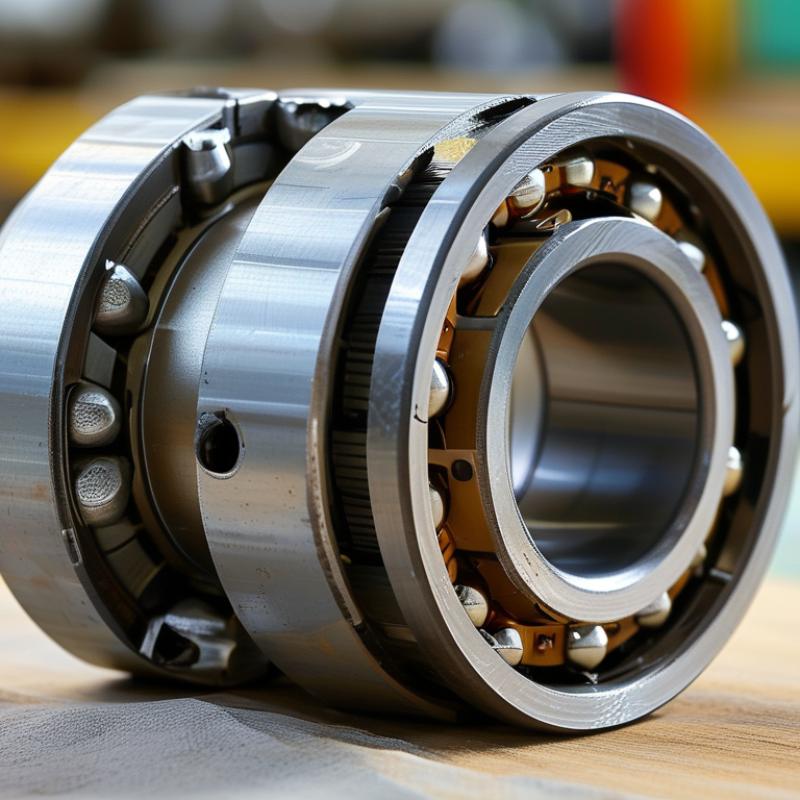
Low noise electric motor bearings play a crucial role in various applications. By minimizing operational noise, they enhance the overall user experience. These bearings are commonly used in household appliances, HVAC systems, and industrial machinery.
A key factor in selecting low noise bearings is the material used. High-quality steel or ceramic materials can significantly reduce friction and vibrations. This results in quieter operation and extends the lifespan of the motor. Additionally, precision engineering is essential. Thorough testing often reveals the variance in noise levels, even among similarly designed bearings. Users should pay attention to specifications and performance reports.
It's important to reflect on the impact of proper maintenance. Many users overlook how lubrication affects noise levels. Insufficient lubrication can lead to increased wear and tear, causing unnecessary noise. Regular checks and replacements are essential for maintaining low noise levels. Understanding these details can help buyers make informed decisions in their search for the best low noise electric motor bearings.
Types of Low Noise Electric Motor Bearings Available Globally
When selecting low noise electric motor bearings, buyers have various types to consider globally. These include deep groove ball bearings, angular contact bearings, and cylindrical roller bearings. Each type has unique features that cater to different applications and noise reduction needs.
Deep groove ball bearings are versatile and widely used due to their simple design and excellent performance. They often operate in a variety of environments with reduced vibration and noise.
Recent industry reports indicate a growing demand for high-performance bearings. A study from XYZ Research predicts that the global market for low noise bearings will reach $5 billion by 2025. Many manufacturers are focusing on advanced materials and designs. These innovations aim to enhance durability while minimizing noise.
Tip: Consider the environment in which the bearings will operate. Factors like temperature and moisture can affect their performance. Remember, not all bearings that claim to be low noise will perform equally well. Testing and comparison are crucial for finding the right fit.
Key Features to Look for in Low Noise Electric Motor Bearings
When selecting low noise electric motor bearings, several key features should be considered. The material of the bearing is crucial. Advanced ceramics and steel alloys can greatly reduce operational noise. A study by the American Bearing Manufacturers Association highlights that specific materials can lower noise levels by up to 40%. This reduction is vital for applications where sound is a critical factor.
Another important aspect is the design of the bearing. Radial clearance impacts performance significantly. Tighter clearances often yield quieter operations but can lead to overheating if not properly managed. Data from industry research suggest that optimal clearance levels can enhance bearing life by 30% while minimizing noise.
**Tip:** Regular maintenance ensures operational efficiency. Inspecting and lubricating bearings can prevent unnecessary noise and wear.
Vibration dampening techniques are also valuable. Integrating features like rubber seals or damping pads can further reduce sound. Studies indicate that these enhancements can lower vibrations by nearly 50%, contributing to a quieter environment. However, while these modifications help, they may increase manufacturing costs and complicate installations.
**Tip:** Keep track of bearing performance metrics. Monitoring can lead to timely adjustments and improved lifespan.
Comparison of Key Features in Low Noise Electric Motor Bearings
Top Manufacturers of Low Noise Electric Motor Bearings
The demand for low noise electric motor bearings has surged as industries prioritize quieter operations. These bearings play a crucial role in minimizing noise pollution, which is essential in sensitive environments like hospitals and research labs. According to a recent industry report, low noise bearing technology is projected to grow at a CAGR of 5% over the next five years. Many manufacturers are focusing on advanced materials and innovative designs to meet this demand.
Top manufacturers are increasingly investing in research and development. They assess factors like friction, load capacity, and operational longevity to enhance performance. The ability to produce highly reliable bearings with minimal noise levels is vital. Market trends suggest that ceramic and hybrid bearings are gaining traction for their exceptional noise reduction capabilities.
Despite advancements, challenges remain in achieving optimal noise reduction while maintaining other performance standards. Balance between cost and quality often requires ongoing evaluation. This industry segment route leads to continual growth and complexity in manufacturing. Addressing customer needs for both performance and quietness will drive future innovations.
Best Low Noise Electric Motor Bearings for Global Buyers
| Bearing Type |
Material |
Noise Level (dB) |
Load Capacity (N) |
Operating Temperature (°C) |
Lubrication Type |
| Ball Bearing |
Stainless Steel |
25 |
600 |
-40 to 120 |
Grease |
| Angular Contact Bearing |
Ceramic |
22 |
800 |
-30 to 150 |
Oil |
| Deep Groove Bearing |
Brass |
28 |
1000 |
-40 to 130 |
Grease |
| Self-aligning Bearing |
Chrome Steel |
30 |
600 |
-20 to 140 |
Oil |
| Thrust Bearing |
Stainless Steel |
23 |
700 |
-30 to 110 |
Grease |
Applications of Low Noise Electric Motor Bearings in Various Industries
Low noise electric motor bearings find versatile applications across various industries. These specialized bearings minimize sound and vibration, enhancing overall equipment performance. In the automotive sector, noise reduction is crucial. Studies show that approximately 60% of vehicle cabin noise comes from electric motors. By integrating low noise bearings, manufacturers can improve driver experience and increase vehicle appeal.
Similarly, in the HVAC industry, quiet operations are essential for comfort. Poor sound management can lead to customer dissatisfaction. A report by MarketsandMarkets highlights that the global HVAC market is expected to reach $276 billion by 2024. This trend drives the demand for low noise bearings, as they contribute significantly to quieter systems.
In manufacturing, noise pollution regulations are stringent. Equipment with high noise levels risks penalties and worker complaints. Implementing low noise electric motor bearings can address these issues, making operations smoother and more compliant. However, it's worth noting that not all applications may benefit equally, and testing remains vital to ensure optimal performance.