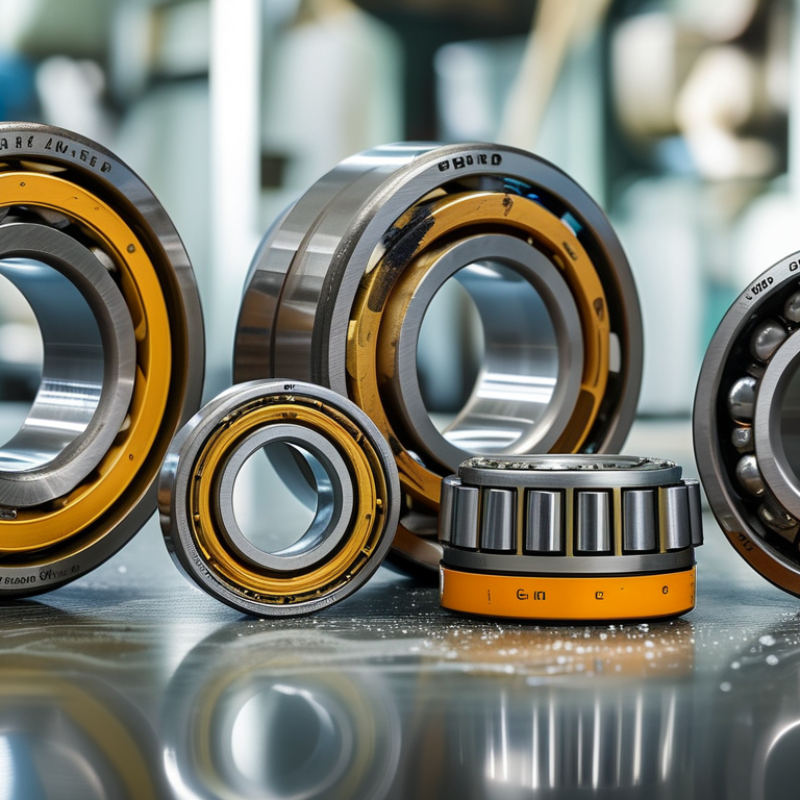
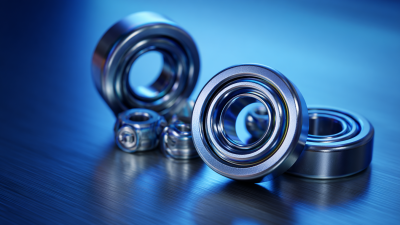
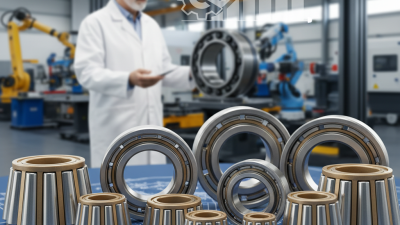
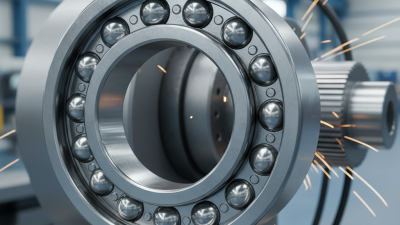
In the world of precision engineering, selecting the right components is vital. High-Precision P4 Grade Bearings are among the most sought-after items in this arena. Experts like Dr. Emily Chen, a leading authority in bearing technology, once said, "The right bearing can make or break the machinery." This quote encapsulates the importance of making the right choices.
High-Precision P4 Grade Bearings offer superior accuracy and durability. They are commonly used in high-speed applications where minimal friction is essential. When choosing these bearings, consider factors like load capacity, speed ratings, and environmental conditions. Each application demands a tailored solution. Yet, many overlook subtle variations that can lead to inefficiencies or premature failures.
Understanding specifications is key. P4 grade signifies a tolerance class, indicating the tightness of tolerances in dimensions. However, even experts can struggle with the nuances of these ratings. It’s essential not just to choose high precision but to understand your specific needs. This often requires a balance between cost and performance. Mistakes in this area can prove costly, both financially and operationally.
P4 grade bearings are designed for applications demanding high precision. They are critical in industries like aerospace and robotics, where performance is non-negotiable. According to industry reports, bearings with P4 specifications offer tolerances up to 10 microns. This level of precision can significantly enhance the efficiency of machinery, reducing wear and improving lifespan.
The specifications of P4 grade bearings include low runout and high rigidity. A report by the International Organization for Standardization (ISO) indicates that such bearings can maintain accuracy even at high speeds. However, selecting the right bearing is not without challenges. Factors like load conditions and environmental influences can impact bearing performance. Choosing the wrong specifications can result in premature failure, highlighting the importance of thorough analysis before purchase.
Understanding lubrication is also vital. P4 bearings often require specialized lubricants to perform optimally. Neglecting this aspect can lead to overheating or increased friction. The detail-oriented nature of high-precision applications demands vigilance in every decision. Missteps in bearing selection can be costly, underscoring the need for careful considerations.
When selecting high precision P4 grade bearings, several key factors must be considered. Precision level is critical. P4 bearings are designed for minimal tolerances, enhancing reliability in various applications. However, it’s essential to assess if this level of precision aligns with your specific needs. Often, users overlook their actual requirements and opt for higher grades unnecessarily, which can lead to excess costs.
The load capacity is another crucial element. Bearings must handle the intended load without excessive wear. Evaluate the dynamic and static load ratings to ensure compatibility with your machinery. It's also vital to consider the operating environment. High temperatures or contaminants can affect bearing performance. Users often underestimate these factors, leading to premature failure.
Finally, pay attention to lubrication and maintenance needs. Some bearings require regular lubrication, while others are sealed for life. Users may be tempted to neglect these aspects, but doing so can affect the bearing's longevity. Take your time when selecting to avoid future issues. Assessing these factors thoughtfully helps ensure the best fit for your applications.
When selecting P4 grade bearings, evaluating the material and design is crucial. P4 grade bearings are known for their precision, making them suitable for high-load applications. The material used, typically high-carbon chromium steel, enhances durability and wear resistance. Opting for bearings made from this material ensures they can withstand high-speed operations without compromising performance.
Design plays a significant role in the effectiveness of P4 grade bearings. Factors like internal geometry, ball size, and raceway surface finish must be considered. A well-designed bearing will reduce friction and heat generation. However, not all designs offer the same reliability. Assessing the load ratings and operational conditions is essential to ensure they meet specific applications.
It is vital to understand that not every P4 grade bearing will perform as expected under all circumstances. Real-world tests can reveal discrepancies between theoretical performance and actual outcomes. Take time to explore various options, and consult experts when needed. This due diligence helps refine your choice and improve the overall performance of your machinery.
When assessing performance standards in high precision P4 grade bearings, several key factors come into play. Understanding these factors is critical for selecting the right bearings for specific applications. Precision is paramount. P4 bearings must deliver minimal radial runout and axial play. This guarantees smoother operation and longevity.
Manufacturers often use rigorous testing to ensure high performance. These tests may include load testing, temperature stability, and fatigue resistance. Such assessments help determine if a bearing meets P4 standards. However, discrepancies can occur due to variations in manufacturing processes. Be cautious about inconsistencies. It’s essential to verify the specifications from reliable sources before making a decision.
Another important aspect is lubrication. Proper lubrication significantly impacts bearing performance. Insufficient or excessive lubrication can lead to premature failure. Regular inspections should be conducted to ensure optimal lubrication levels. Each application may have unique requirements for lubrication intervals and methods. Reflection on these details can improve overall efficiency in your operations.
P4 grade bearings are essential in a variety of industries. They are known for their high precision and reliability. Applications vary from aerospace to robotics. In the aerospace sector, these bearings ensure smooth operation under extreme conditions. Precision is critical here, as even minor discrepancies can lead to failures.
In the automotive field, P4 bearings facilitate efficient power transmission. They contribute to a vehicle's overall performance and lifespan. Their role in electric motors and gearboxes cannot be understated. Each component must work together flawlessly. Any compromise in bearing quality can result in unexpected repairs.
Manufacturers must consider various factors when choosing bearings. Load capacity, speed, and environmental conditions matter greatly. Sometimes, the perfect fit is not readily available. It's essential to evaluate the unique requirements of each application. This could lead to adjustments in specifications or seeking custom solutions. Assessing these details ensures long-term reliability and performance.