How to Choose the Right Automation Equipment Bearing Solutions?
Choosing the right Automation Equipment Bearing Solutions requires careful consideration and expertise. The efficiency of machinery heavily relies on the quality of its components. Bearings play a crucial role in minimizing friction and ensuring smooth operation. Thus, selecting the ideal bearing solution is essential for maximizing productivity.
When evaluating Automation Equipment Bearing Solutions, it's vital to assess the specific application and operational conditions. Not every bearing suits every environment. Factors like load capacity, speed, and environmental factors can greatly influence performance. A mismatch can lead to premature failure and costly downtime.
Moreover, many businesses overlook the importance of supplier reliability. Working with trusted manufacturers ensures that you receive high-quality, durable bearings. Always consider the manufacturer's experience and reputation in the industry. Shortcuts may seem appealing, but they can lead to long-term risks. Selecting the right bearings is a blend of knowledge and critical thinking in a complex field.
Understanding the Importance of Bearing Solutions in Automation Equipment
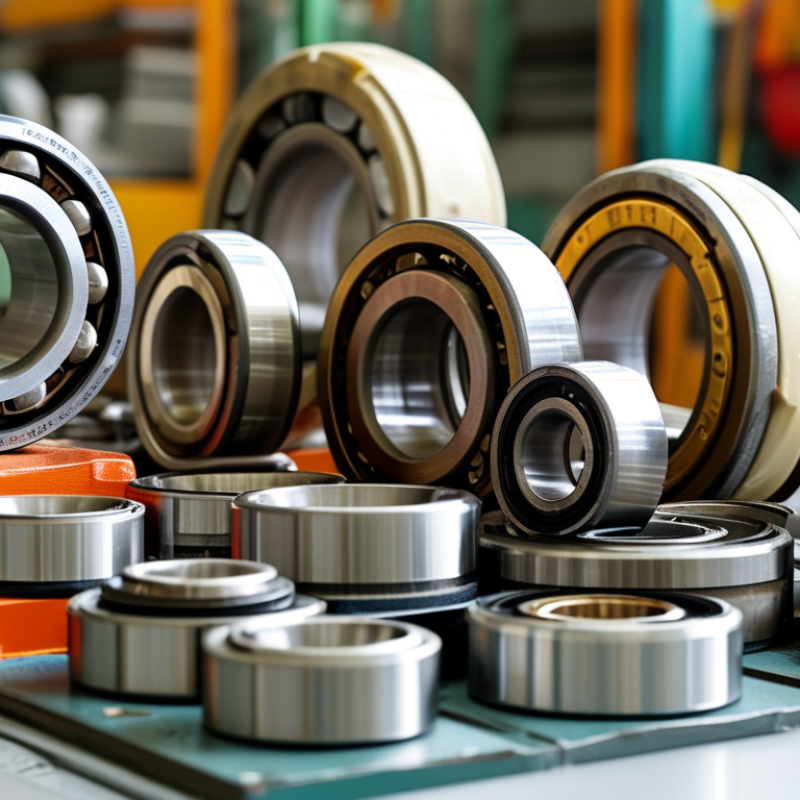
In automation equipment, bearings play a crucial role. They ensure smooth operation and minimize friction. Choosing the right bearing solution can enhance efficiency and reduce wear over time. A well-selected bearing can improve overall system longevity. It’s essential to consider load capacity and operating speeds when making a choice. Every application has unique requirements.
The materials and design of bearings also matter significantly. Steel, ceramic, and plastic options each have distinct advantages. For instance, ceramic bearings offer corrosion resistance, while steel bearings are typically stronger. Understanding these differences can help optimize performance. It's essential to reflect on how these choices affect maintenance cycles and operational costs. Oftentimes, oversights in bearing selection lead to equipment failures.
Evaluating the environment in which the bearings operate is also critical. Temperature, moisture, and contamination can greatly impact their performance. A bearing suited for a clean, dry area might fail in a dusty or wet environment. In such cases, investing in protective seals or specialized lubricants may be necessary. Ultimately, thinking deeply about these factors will lead to better solutions for automation equipment.
Identifying Specific Requirements for Automation Applications
In automation applications, identifying specific requirements is crucial. Key factors include
load capacity, speed, and
environmental conditions. For instance, a report by the
International Federation of Robotics states that the
average payload of industrial robots has increased by 20% over
the last five years. This trend highlights the necessity for bearings that can
handle heavier loads efficiently.
Different applications demand varying performance characteristics. High-speed operations may require
lightweight bearings with low friction. In contrast, harsh environments mandate robust materials
that resist corrosion and wear. According to the Bearing Specialists Association,
nearly 30% of bearing failures result from inadequate selection
for the application. This statistic underscores the importance of matching bearing solutions to
specific operational needs.
Consulting with engineering experts can aid in selecting suitable options. However, not all
specifications are straightforward. For example, how do temperature changes impact
lubrication? Many overlook this detail, leading to premature failures. Therefore, gathering accurate
application data is vital. Addressing these nuances can significantly enhance the reliability
of automation systems.
Evaluating Different Types of Bearings for Automation Needs
When evaluating different types of bearings for automation needs, it’s essential to consider several key factors. The right bearing can significantly enhance the efficiency of automated systems. For instance, ball bearings are excellent for high-speed applications, while roller bearings handle heavy loads better. According to a market report from Statista, the global bearing market is projected to reach $104 billion by 2027, indicating a growing demand for precision-reliable solutions.
Material selection is also crucial. Bearings made from stainless steel offer corrosion resistance, which is vital in harsh environments. Alternatively, plastic bearings can be lighter and provide better noise dampening. Research from the American Bearing Manufacturers Association reveals that 10% of bearing failures are due to poor environmental selection. This statistic underscores the importance of assessing your specific operational conditions before making a choice.
End-users often overlook maintenance requirements. Regular lubrication can extend bearing life. However, this means additional planned downtime. A study by the International Journal of Engineering shows that improper maintenance can lead to a 40% decrease in bearing performance. This data shows how critical it is to align bearing choice with maintenance capabilities. Evaluating all these factors will lead to smarter automation solutions.
Automation Equipment Bearing Solutions
This chart illustrates the popularity of different types of bearings used in automation equipment solutions. Deep groove ball bearings are the most popular, followed by angular contact and spherical roller bearings. Understanding these metrics can help in making informed decisions for automation needs.
Assessing Material and Design Considerations for Durability
When selecting automation equipment bearings, material and design are critical. Different materials yield distinct performance levels. For example, stainless steel provides excellent corrosion resistance but may be less durable under heavy loads. On the other hand, polymer bearings are lightweight and resistant to chemicals, yet they might wear out faster in high-temperature environments.
Design considerations also play a significant role. Bearing structure impacts load distribution and friction. A poorly designed bearing can lead to premature failure. Engineers often debate the best shape for specific applications. For example, ball bearings offer low friction, but they might not handle heavy shock loads as well as roller bearings. The choice of design directly affects operational efficiency and lifespan.
While many opt for established solutions, there’s room for innovation. Continuous advancements raise questions about traditional choices. It’s essential to stay informed about new materials and designs. Reflection on past experiences can guide better decision-making. Assessing project needs is vital to avoid costly mistakes and ensure reliability.
Analyzing Cost vs. Performance in Bearing Selection Process
When selecting automation equipment bearings, understanding the balance between cost and performance is crucial. Often, higher-priced bearings offer enhanced durability and efficiency. However, budget constraints may lead to compromises. This creates a dilemma for engineers and procurement teams alike.
Performance metrics are often cited as critical in the decision-making process. These metrics include load capacity, speed ratings, and environmental resistance. Yet, the emphasis on high-performance bearings might overlook initial costs. Choosing a solution that breaks the budget can lead to frustration later. Each application is unique, and the optimal choice varies depending on specific industrial requirements.
Consider the total lifecycle costs associated with bearing solutions. Sometimes, a lower-cost option might incur higher maintenance expenses over time. For example, frequent replacements could negate initial savings. Reflecting on past selections can provide insights into making better choices. Analyzing previous projects helps identify patterns of success and failure.