How to Choose Stainless Steel Corrosion-Resistant Bearings?
Choosing the right bearings is crucial for various applications. Stainless Steel Corrosion-Resistant Bearings are increasingly popular due to their durability and reliability in harsh environments. Dr. Emily Thomas, an expert in material science, states, "Selecting the right bearing material can significantly impact the lifespan of your machinery."
When considering Stainless Steel Corrosion-Resistant Bearings, many factors come into play. These bearings resist rust and wear, making them ideal for marine, chemical, and food processing industries. However, not all stainless steel is created equal. Variations in alloy composition can affect performance. Understanding these differences is essential.
Moreover, cost is a significant factor. Higher-quality bearings may have an initial cost but may save money in the long run. Businesses often overlook the total cost of ownership. A cheaper option might lead to frequent replacements, which increases downtime. Hence, it's essential to weigh all factors carefully before making a choice.
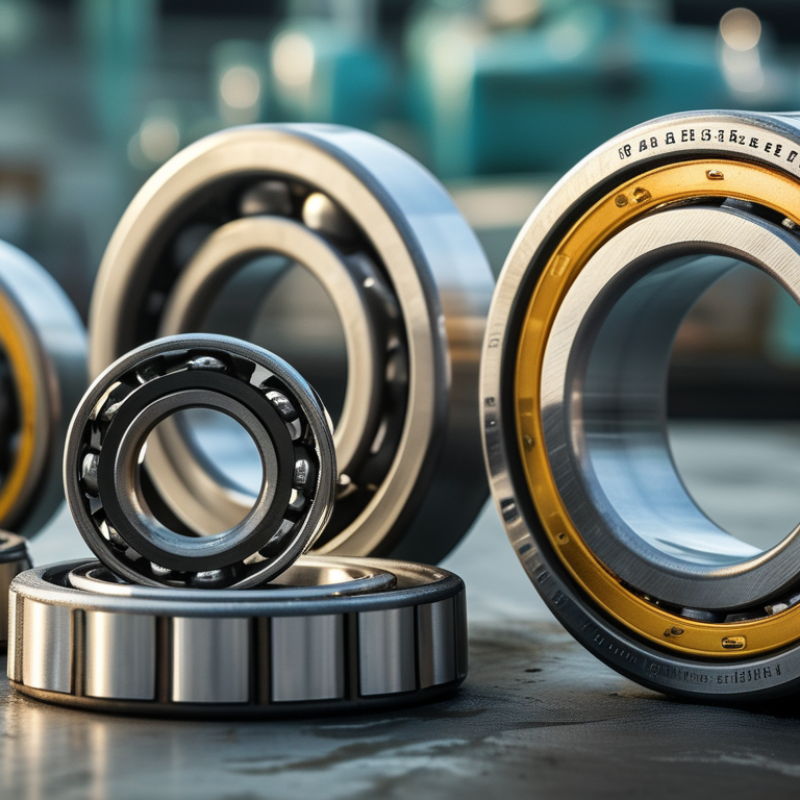
Understanding Stainless Steel Corrosion-Resistant Bearings
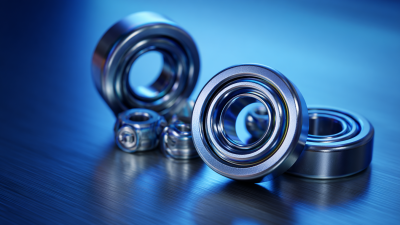
Stainless steel corrosion-resistant bearings are essential in various industries. They offer durability and resistance to harsh conditions. These bearings are often selected based on their material properties and application requirements. Understanding the differences in stainless steel grades is crucial.
Commonly, grades 304 and 316 are used for corrosion resistance. Grade 316 provides higher resistance to salt and chemicals. This makes it suitable for marine environments. However, 304 may be sufficient for less corrosive settings. Consider the operating environment when choosing the bearing material.
Not all stainless steel bearings are equal. Factors like lubrication and load capacity are pivotal for performance. A well-maintained bearing can outlast those neglected. Regular inspections can catch issues early. Consider your specific needs, and weigh the pros and cons. A thorough understanding will lead to better choices.
Factors Influencing the Choice of Bearings Material
When selecting stainless steel corrosion-resistant bearings, several factors come into play. The environment where the bearings will operate is crucial. For instance, high humidity and saltwater exposure can lead to faster corrosion rates. Studies show that bearings exposed to such conditions can have their lifespan reduced by over 40%. This highlights the need for careful consideration of operating environments.
Material composition significantly influences performance. Bearings made from 316 stainless steel, for example, offer better corrosion resistance than 304 due to the addition of molybdenum. This enhancement improves their ability to withstand harsh chemicals. Data indicates that 316 bearings can last significantly longer in marine environments compared to less corrosion-resistant materials. However, they are often more expensive, leading to potential budgetary concerns.
Another aspect is load capacity and speed ratings. Bearings must handle specific loads without failing. Choosing the wrong type can lead to premature wear. A report by the American Bearing Manufacturers Association shows that incorrect material choices result in a 25% increase in maintenance costs over time. Therefore, understanding both material properties and operational requirements is essential.
Evaluating Corrosion Resistance in Stainless Steel Alloys
Evaluating corrosion resistance in stainless steel alloys is crucial for selecting the right bearings. Stainless steel typically contains chromium, which forms a protective layer against corrosion. However, not all stainless steel alloys offer the same level of resistance. For example, AISI 304 is more common but often lacks the necessary resistance in highly corrosive environments. Studies suggest that AISI 316 provides significantly better protection due to its molybdenum content. This key addition enhances resistance to chlorides, making it suitable for marine or chemical applications.
Testing methods like salt spray testing can provide insight into how stainless steel alloys perform in corrosive conditions. Some reports indicate that while AISI 316 can withstand salt spray for over 1,000 hours, AISI 304 may fail within 300 hours. Despite this data, the actual performance can vary based on factors like surface finish and environmental conditions. It's essential to consider these variables when making a selection.
Despite the available data, the choice is not always clear-cut. Not every application has identical requirements. Consider the environment, load, and lubrication. Sometimes, an alloy that is theoretically superior may not perform as expected if used improperly. Understanding the specifics is key. Insight into these details can inform better decisions for prolonged bearing performance.
Key Performance Characteristics of Bearings in Various Environments
When selecting stainless steel corrosion-resistant bearings, understanding their performance in various environments is crucial. Bearings are essential components in numerous applications, from industrial machinery to household appliances. Their effectiveness can greatly vary based on environmental factors. In humid or saline environments, for instance, bearing materials must stand up to corrosion and resist wear.
Temperature fluctuations also impact bearing performance. High temperatures can lead to thermal expansion, affecting fit and function. In colder environments, lubrication may thicken, causing increased friction. It's essential to assess the specific conditions these bearings will face. This includes not only exposure to moisture but also potential contaminants in the surrounding area.
Choosing the right bearing involves considering these performance characteristics critically. Failures can arise due to inadequate testing for certain conditions. Many users fail to recognize these underlying factors, potentially leading to premature bearing failures. Evaluating each aspect ensures that the selected bearing will perform reliably over time, even in challenging environments. Understanding these details can prevent costly downtime and enhance operational efficiency.
Application-Specific Considerations for Selecting Bearings
When selecting stainless steel corrosion-resistant bearings, consider specific applications. Different environments can affect the performance of bearings significantly. For instance, marine applications require bearings that can withstand saltwater exposure. Similarly, food processing facilities need bearings resistant to various cleaning chemicals.
Tips: Always assess the environment before making a decision. Understanding the specific use case is crucial for optimal performance.
Material choice is another critical factor. Stainless steel grades vary in corrosion resistance. For instance, 316 stainless steel provides better resistance than 304. However, it may not be the sole choice for all applications. Costs and availability can also play a role in your selection process.
Tips: Make a checklist of requirements. This helps in narrowing down choices efficiently. Be open to adjusting your criteria if necessary.