As the railway industry evolves, the demand for high-quality components rises. Buyers worldwide seek reliable solutions for their operational needs. One critical area of focus is railway locomotive bearings customized for various applications. These bearings play a vital role in ensuring smooth and efficient performance.
China has emerged as a key player in the production of railway locomotive bearings customized for global customers. The country's manufacturing capabilities enable it to meet diverse specifications while maintaining quality. Companies often face challenges in choosing suppliers who provide expertise and reliability. Understanding the intricacies of customization is essential for buyers aiming to optimize their operations.
Exploring options in this sector reveals both opportunities and complexities. Tailored solutions can enhance performance, but companies must also navigate issues such as quality assurance and supply chain reliability. Buyers need to reflect on their requirements and research potential partners. Ultimately, finding the right railway locomotive bearings customized to specifications can be a game-changer in achieving efficiency and safety in railway operations.
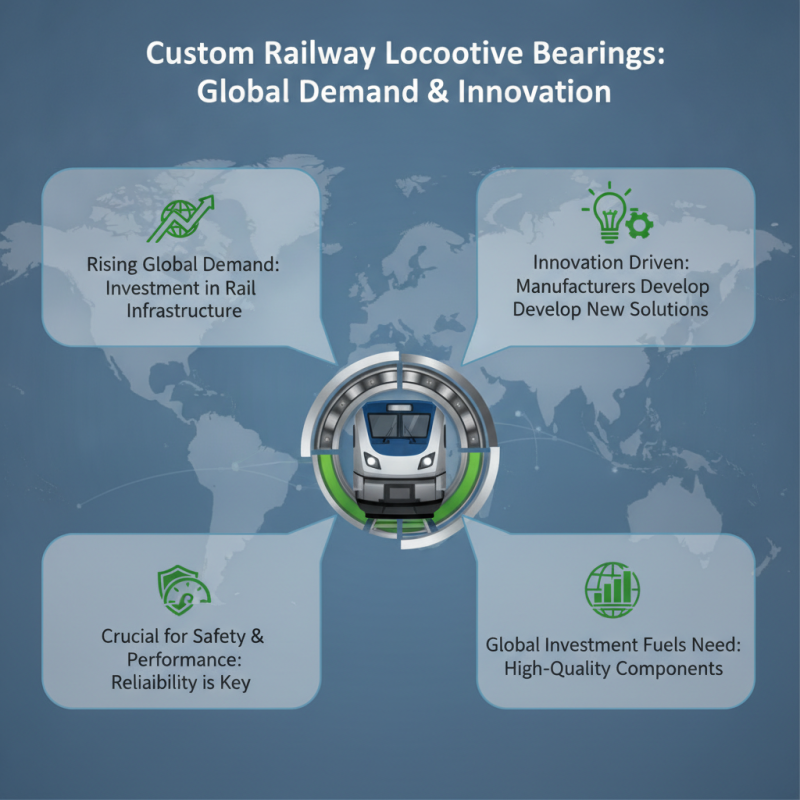
The demand for custom railway locomotive bearings is on the rise globally. Manufacturers are focusing on innovation to meet this need. These bearings play a crucial role in ensuring smooth and efficient railway operations. Their reliability directly impacts safety and performance. Countries worldwide are increasingly investing in railway infrastructure. This trend fuels the need for high-quality components.
Tips for buyers: Always assess the specifications thoroughly. Consider the materials used in the bearings. Different environments may require specific solutions. Another factor to ponder is the supply chain's reliability. Global logistics are complex; delays can happen.
Moreover, sustainability is becoming a priority. Eco-friendly manufacturing processes are gaining attention. However, not all suppliers prioritize green practices. It is essential to verify their commitment to sustainability. Some companies may make promises but fail to deliver. Evaluate their track record and certifications carefully.
Chinese manufacturers play a pivotal role in the global railway bearing industry. Reports indicate that over 50% of the world's railway bearings are produced in China. This significant figure highlights China's dominance in manufacturing, driven by advanced technologies and skilled labor forces. The focus on innovation remains essential. However, rapid production can sometimes lead to quality control issues.
Many global buyers now seek custom solutions from Chinese manufacturers. Custom bearings are crucial for various railway applications, ensuring optimal performance. Despite low prices, not all manufacturers meet stringent international standards. Recent data shows that about 30% of subpar products arise from rushed production schedules. This raises questions about consistency and reliability in this vital sector.
Sustainability in manufacturing is another area of concern. Although many companies adopt eco-friendly practices, not every manufacturer commits to green standards. Reports state that up to 25% of producers overlook environmental impact measures. This inconsistency could affect the industry's reputation and long-term sustainability, urging buyers to vet manufacturers thoroughly.
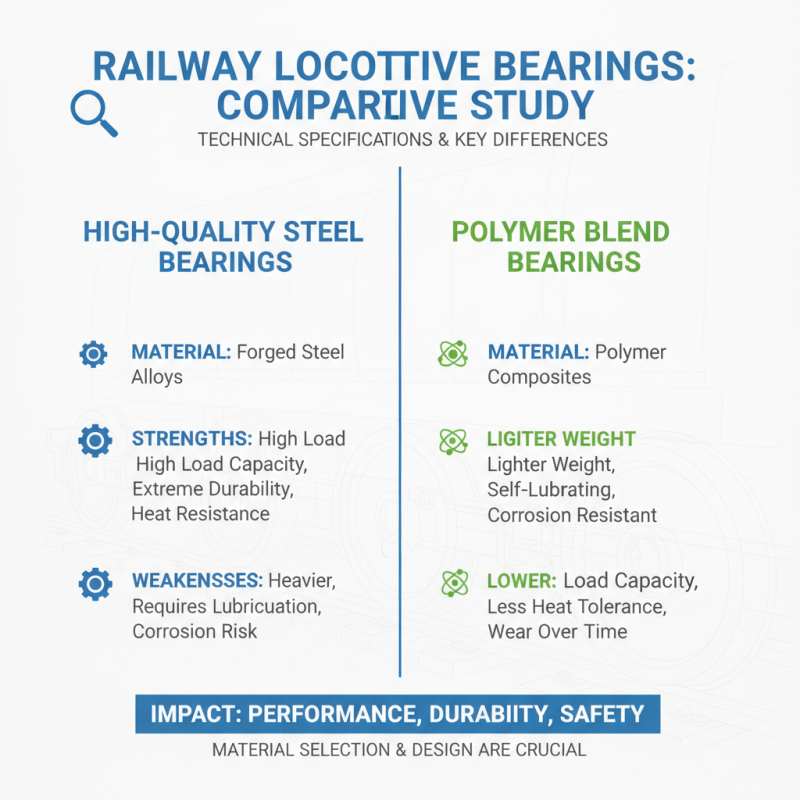
Railway locomotive bearings play a crucial role in ensuring efficient operations. Their technical specifications directly impact performance, durability, and safety. A recent comparative study highlights differences among various types of bearings, showcasing the significance of material selection and design. Most locomotive bearings utilize high-quality steel or polymer blends, exhibiting distinct strengths and weaknesses.
For instance, steel bearings offer exceptional load handling and wear resistance. However, they may have higher friction levels, which can lead to increased energy consumption. Alternatively, polymer bearings tend to be lighter and can reduce drag, but they may not support heavy loads as effectively. An industry report indicates that bearing failure often occurs due to improper specifications, leading to costly downtimes and repair needs.
The selection process requires careful consideration of the intended application and environmental conditions. Temperature fluctuations and exposure to contaminants can significantly affect bearing performance. A thorough understanding of these factors is essential for making informed choices. Accuracy in specifications ensures optimal compatibility and longevity, yet many buyers still face challenges in finding the right products.
The demand for custom railway bearings is rising.
In 2024, this market is expected to witness significant growth. Railway infrastructure is expanding globally. Improved technologies contribute to this upward trend. Buyers are looking for high-quality, reliable components.
Market analysis shows that China remains a key player. Manufacturers here focus on customization to meet specific needs. Sustainability practices are also gaining traction. This reflects a growing awareness of environmental responsibility. Buyers value durable and efficient products.
Tips:
Always evaluate manufacturers' credentials. Research their experience and past projects. Don't overlook customer reviews—they can provide valuable insights. Look for suppliers that prioritize innovation and quality. This will ensure you get the best products for your projects.
Sourcing railway bearings from China presents both challenges and opportunities for global buyers. The vast manufacturing capabilities in China allow for cost-effective production of high-quality bearings. However, potential issues can arise in communication and quality assurance. Not every supplier may meet international standards, and discrepancies can lead to operational delays.
Buyers must exercise diligence during the procurement process. Establishing clear specifications is crucial. Inconsistent quality can result in serious operational setbacks. Conducting factory audits or quality assessments helps ensure compliance. While online platforms facilitate access to various manufacturers, they can also create confusion. It can be hard to differentiate between reliable suppliers and those that fall short.
The recent global focus on sustainability adds another layer to sourcing decisions. Buyers are increasingly looking for environmentally friendly production practices. This trend may narrow the pool of suppliers but can lead to more responsible sourcing outcomes. The journey is fraught with complexities, yet it holds potential for long-term partnerships. A strategic approach is essential to navigate these challenges effectively.