Heavy Machinery Bearing Replacement Best Practices Guide?
In the world of heavy machinery, the importance of bearing maintenance cannot be overstated. Expert John Smith, a veteran in equipment maintenance, states, “Proper bearing replacement is crucial for the longevity of machinery.” This insight highlights the significance of following a detailed **Heavy Machinery Bearing Replacement Guide**.
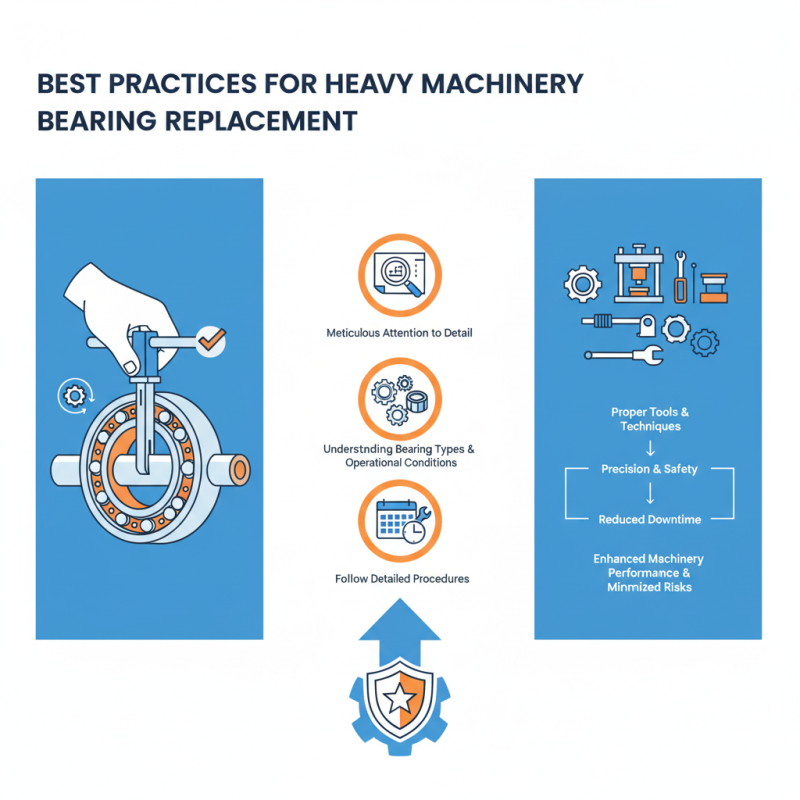
When it comes to replacement, meticulous attention to detail is essential. Each bearing type has specific requirements, and failing to adhere to these can lead to increased wear or mechanical failure. Operators must understand the nuances of different bearings, their operational conditions, and the right replacement procedures. Unfortunately, many overlook these factors, leading to costly downtimes.
Furthermore, many workers might underestimate the importance of tools and techniques used in the replacement process. The right tools ensure precision and safety while reducing the risk of mishaps. Reflecting on past experiences, it’s evident that rushing through the process can lead to significant errors. By embracing a comprehensive **Heavy Machinery Bearing Replacement Guide**, operators can enhance machinery performance and minimize risks effectively.
Best Practices for Selecting the Right Bearings in Heavy Machinery
Choosing the right bearings for heavy machinery is crucial for ensuring efficiency and longevity. Start by assessing the operational environment. Dust, moisture, and temperature extremes all impact bearing performance. Therefore, knowing where and how your machinery operates is vital.
Consider the load and speed requirements of your machinery. Verify the specifications for dynamic and static loads. Each bearing has a unique load rating, which can affect performance and durability. It’s essential to match these ratings with your machine's operational needs.
One common oversight is neglecting lubrication type. Proper lubrication reduces friction and extends bearing life. Different applications may require different lubricants. Always ensure that lubrication aligns with manufacturer recommendations. Even small deviations can lead to premature failure. Assess each aspect carefully to achieve optimal performance and reduce downtime.
Heavy Machinery Bearing Replacement Best Practices
This chart illustrates the performance ratings of different types of bearings used in heavy machinery, based on their efficiency, durability, and suitability for specific applications. Selecting the right bearing type is crucial for optimal machinery performance and longevity.
Understanding Bearing Types and Their Applications in Heavy Equipment
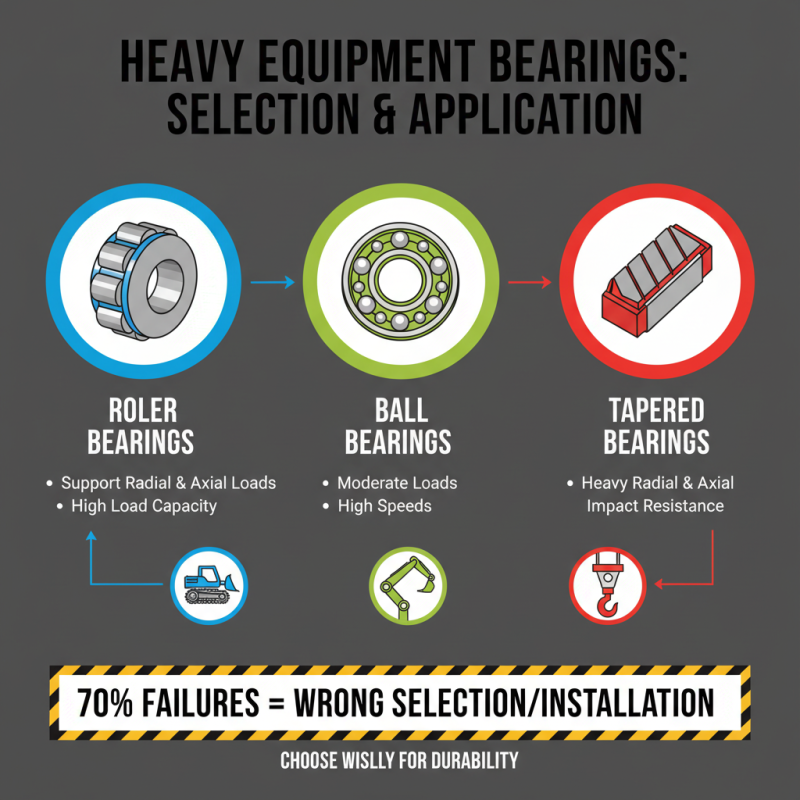
Heavy equipment relies on various types of bearings for efficiency and durability. Roller bearings, widely used in heavy machinery, support radial and axial loads. According to industry research, nearly 70% of bearing failures stem from improper selection and installation. This highlights the necessity of choosing the right bearing type for specific machinery applications.
In many cases, the operating environment defines bearing selection. For instance, spherical bearings perform well under misalignment and heavy loads. A report from the American Bearing Manufacturers Association indicates that mismatched bearings can lead to catastrophic machinery failure. Understanding how load conditions, speed, and temperature affect performance is crucial.
Replacing bearings is not merely about the component but also understanding the application. Inspections should assess wear patterns and lubrication quality. An overlooked detail may lead to premature failures. Learning from past mistakes can greatly enhance maintenance strategies. Engaging with industry experts can provide further insights into best practices for bearing replacement and overall machinery maintenance.
Step-by-Step Guide to Safe Bearing Replacement Procedures
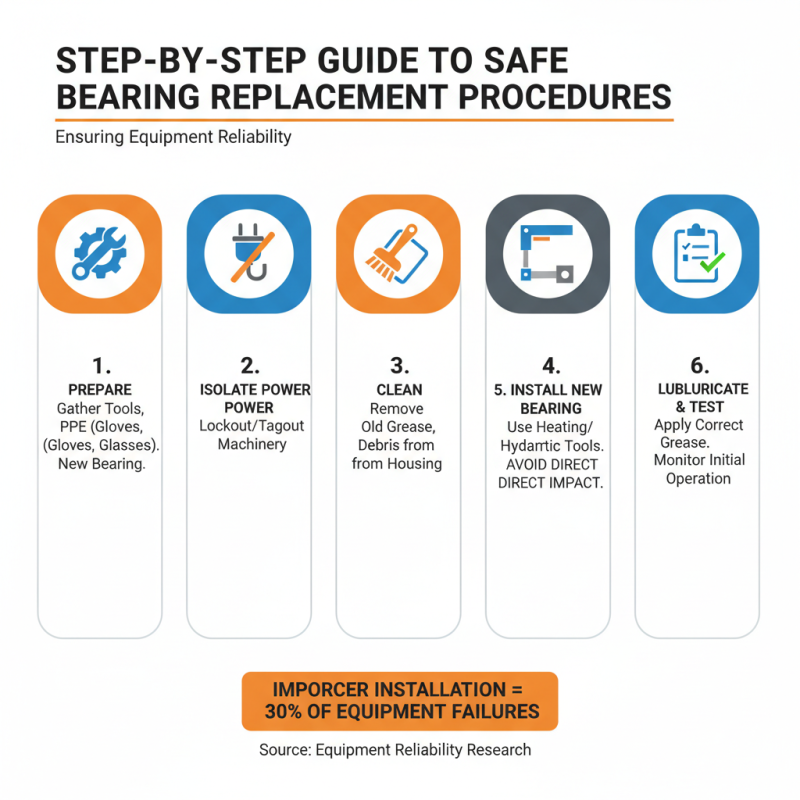
Replacing bearings in heavy machinery is vital for ensuring smooth operation and reducing downtime. The bearing replacement process, if not executed correctly, can lead to significant failures. Research shows that improper bearing installation contributes to over 30% of equipment reliability issues. Therefore, understanding safe replacement procedures is essential.
Begin by conducting a thorough inspection of the machinery. Documentation of previous bearing performance can provide insights into any recurring problems. Disassemble components carefully, ensuring all parts are properly labeled. This minimizes confusion during reassembly. Use tools that match the specifications for your equipment to avoid damaging any components. Precision is key; a slight misalignment can lead to rapid wear or failure.
During installation, cleanliness cannot be overstated. Contaminated bearings can fail prematurely, influencing equipment lifespan significantly. It is recommended to wear gloves during handling to prevent introducing dirt. A study indicates that nearly 20% of premature bearing failures result from contamination. Finally, always reference your machinery’s manual to adhere to manufacturer specifications. This attention to detail can help prevent future mishaps and optimize performance.
Key Maintenance Tips for Prolonging Bearing Life in Heavy Machinery
Maintaining the bearings in heavy machinery is crucial for overall performance and longevity. Proper lubrication is key. Check lubrication levels regularly. Use the correct type of lubricant for the machinery. Over-greasing can create excess pressure and lead to bearing failure. It's a balancing act that requires attention.
Regular inspections play a significant role in maintenance. Look for signs of wear or damage. Listen for unusual noises during operation. These can indicate underlying issues. Vibration analysis is also beneficial. It provides insights into the operating condition of bearings. Ignoring minor issues can escalate into costly repairs down the line.
Finally, ensure that training is provided for operators. They should understand basic maintenance practices. Proper training helps prevent mistakes. However, even with training, human error is possible. Encourage a culture of vigilance and communication. It can be the difference between a minor problem and a major breakdown. Investing in proper maintenance procedures pays off in the long run.
Analyzing the Impact of Lubrication on Bearing Performance and Longevity
Lubrication plays a crucial role in bearing performance and longevity. The right lubricant can reduce friction, minimize wear, and extend the life of heavy machinery. Regularly checking and maintaining lubrication levels is essential. Too little lubricant can lead to overheating. Conversely, using too much can cause excessive buildup and restrict movement.
Different types of lubricants will yield varying results. Grease provides a thick barrier against contaminants, while oils tend to penetrate better and dissipate heat. It’s important to match the lubricant type to the operating conditions. Environmental factors such as humidity and temperature must also be considered. Each setting might require a different approach.
However, finding the perfect balance is challenging. Equipment operators may sometimes overlook lubricant properties or fail to regularly update their protocols. This can result in unexpected downtime or equipment failures. Engaging with experienced professionals in the industry can provide insights. Regular training sessions can help teams stay informed. Understanding the intricacies of lubrication can ultimately enhance machinery lifespan.