Essential Guide to Heavy Machinery Bearing Replacement Tips?
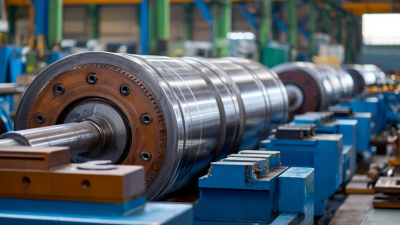
In the demanding world of heavy machinery, the role of bearings cannot be overstated. These components ensure smooth operation and efficiency, making knowledge about their replacement crucial. This Heavy Machinery Bearing Replacement Guide aims to provide essential tips for professionals handling bearing replacement tasks.
Understanding the intricacies of bearing replacement is not just a matter of technical expertise; it requires experience and attention to detail. Each machine has unique requirements, and failing to recognize these can lead to costly downtime. Being aware of common mistakes during the process is vital. For instance, improper alignment or inadequate lubrication can result in premature wear.
This guide will delve into practical strategies and insights, drawn from industry practice. We will discuss tools, methods, and best practices in bearing replacement. These recommendations are based on real-world applications and expert advice. However, even with a solid plan, challenges may arise. Continuous learning and adaptation are key elements in mastering this task.
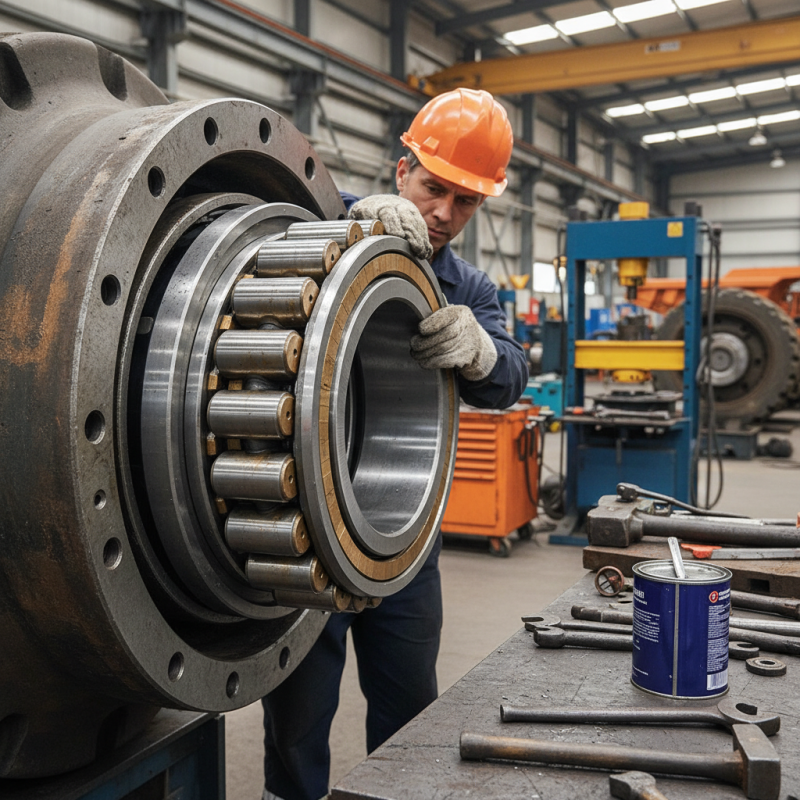
Understanding Heavy Machinery Bearings and Their Functions
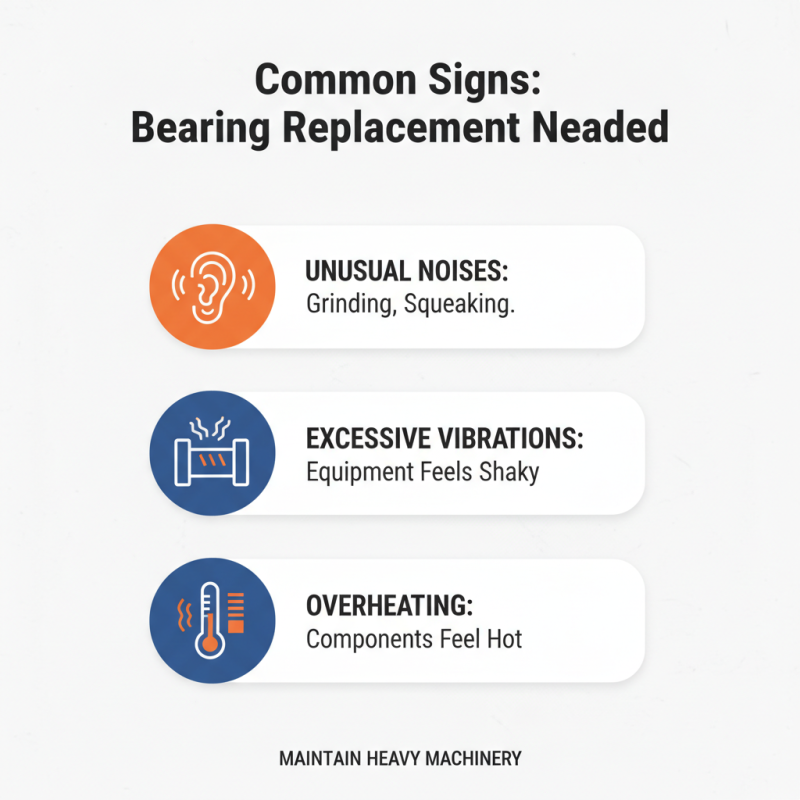
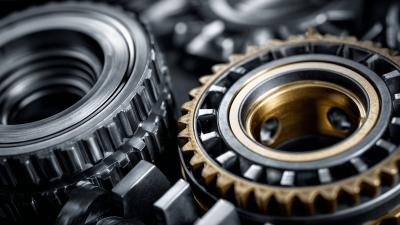
Heavy machinery bearings play a vital role in ensuring the smooth operation of equipment. They support rotating shafts, reduce friction, and absorb loads. This function significantly affects machinery performance and longevity. Regular inspection and maintenance of these bearings are crucial to prevent unexpected failures.
In practice, understanding the types of bearings is essential. Ball bearings are common in light-duty applications, while roller bearings are preferred for heavier loads. Proper lubrication can extend bearing life, yet many neglect this aspect. Users often miss the signs of wear, leading to costly repairs.
Moreover, replacement procedures should be approached with caution. Incorrect installation can result in misalignment and premature failure. It’s important to verify bearing specifications before purchasing. This ensures compatibility, reducing the likelihood of mistakes. Taking time to reflect on these aspects can enhance equipment reliability and efficiency in the long run.
Step-by-Step Guide to Safely Removing Old Bearings
Removing old bearings can be a challenge. Proper technique is crucial for safety and efficiency. Follow these steps carefully.
Start by securing the machinery. Ensure it’s powered down and locked out. This prevents any accidental startups. Wear appropriate personal protective equipment (PPE) such as gloves and safety goggles. Approximately 60% of machinery accidents are due to improper maintenance practices.
Next, identify the type of bearing you are removing. Use a bearing puller for larger bearings. This tool minimizes damage. If the bearing is stuck, apply heat carefully. Avoid overheating, which can warp the machinery. When you remove the bearing, check for signs of wear or contamination.
Consider the environment. Friction can lead to increased wear. In fact, studies show that frictional issues account for up to 40% of machinery failures. Keep the workspace clean. Dirt and debris can cause further complications during installation. Reflect on the tools and methods you used last time. Did they yield good results? Always strive for improvement.
Essential Guide to Heavy Machinery Bearing Replacement Tips
| Step |
Description |
Tools Required |
Safety Tips |
| 1 |
Preparation: Gather tools and review safety protocols. |
Safety goggles, gloves, bearing puller |
Always wear protective gear. |
| 2 |
Remove the securing fasteners from the machinery. |
Wrench set, screwdriver |
Ensure machinery is powered off and locked out. |
| 3 |
Use a bearing puller to extract the old bearing. |
Bearing puller, hammer |
Be cautious of flying debris during removal. |
| 4 |
Inspect the housing and shaft for damage. |
Inspection tools, clean cloth |
Handle parts carefully to avoid injury. |
| 5 |
Install the new bearing using the appropriate method. |
Bearing press, lubricant |
Follow manufacturer instructions closely. |
| 6 |
Reassemble the machinery and secure all components. |
Wrench set, torque wrench |
Double-check all fasteners for tightness. |
Tips for Selecting the Right Replacement Bearings
Selecting the right replacement bearings is crucial for heavy machinery performance. High-quality bearings ensure machines operate efficiently, reducing downtime. It's essential to understand the machinery's requirements before making a choice. Consider factors like load capacity, speed, and environmental conditions. Each of these elements plays a significant role in bearing performance.
It's important to note that not all bearings are created equal. In some cases, cheaper options may seem appealing but can lead to costly repairs later. Take the time to evaluate specifications closely. Ensure the bearings meet operational demands. Checking reviews and expert opinions can provide insight into reliable options.
Keep in mind that installation plays a critical role as well. Improper installation can lead to premature failure. Adhering to the manufacturer's recommendations is vital. Think about seeking professional advice if you're unsure. Gaining experience through trial and error can be valuable but remember that mistakes can be costly. Being informed and cautious is key to achieving long-lasting machinery performance.
Proper Installation Techniques for New Bearings in Machinery
When installing new bearings in heavy machinery, attention to detail is crucial. Start by ensuring that the bearing surfaces are clean and free of contaminants. Any dirt or debris can hinder the performance of new bearings. Use appropriate tools to handle the bearings carefully. Avoid applying excessive force, as this can lead to damage.
Proper alignment is essential for effective bearing operation. Misalignment can result in premature wear. Utilize alignment tools or methods recommended by experts. Also, ensure that the bearing is correctly seated in its housing. A proper fit can make a significant difference in the lifespan of the bearing.
Take your time during the installation process. Rushing can lead to mistakes that are costly in the long run. Observe the manufacturer’s specifications closely. Not adhering to these guidelines can result in operational failures. Regularly inspect and maintain machinery after installation. This proactive approach ensures reliable performance and longevity for your equipment.
Essential Guide to Heavy Machinery Bearing Replacement Tips