Why Do Thin-Wall Bearings Have Different Price Lists?
Thin-wall bearings are crucial components in machinery. However, their price lists can vary significantly. Understanding the Thin-Wall Bearings Price List is essential for manufacturers and buyers alike. Different factors contribute to these variations.
Material quality is one major aspect influencing costs. High-quality materials may increase durability and performance. Yet, this raises prices and questions affordability. Production methods also play a vital role. Advanced techniques can enhance precision. However, they may not be available to all manufacturers.
Market demand creates fluctuations too. Popular designs may come at a premium. But lesser-known options might be more cost-effective. It’s essential to reflect on what aligns with specific needs. This ongoing dilemma of price versus performance invites critical thinking in purchasing decisions. Understanding these nuances can lead to more informed choices in the sometimes-confusing landscape of thin-wall bearings.
Understanding Thin-Wall Bearings: An Overview of Price Variability
Thin-wall bearings play a significant role in various industries, including automotive and aerospace. Their price variability can seem perplexing. According to a recent industry report, prices for these bearings can range from $5 to $200 per unit. Factors influencing this variability include material composition, manufacturing processes, and the specific performance requirements of different applications.
Materials like stainless steel and specialized alloys drive costs up. For example, bearings made with high-strength alloys can be 20% more expensive than standard options. Manufacturing processes also contribute significantly. Advanced techniques such as precision machining or automated assembly can increase production costs. Interestingly, the demand for lightweight solutions in electric vehicles raises prices further.
Some manufacturers may offer lower-priced options. However, these tend to lack durability or performance consistency, leading to potential failures in critical applications. Investing in higher-quality thin-wall bearings can save costs long-term. Balancing price and quality is essential for reliability in delicate systems. Always research before making purchases. Price trends indicate ongoing fluctuations, reflecting developments in technology and material science.
Factors Affecting the Cost of Thin-Wall Bearings in the Industry
Thin-wall bearings serve critical roles in various industries, and their costs can vary significantly. Several factors contribute to these price differences. Material selection is a prime factor. High-quality materials often lead to higher durability but also increased costs. In contrast, cheaper materials can lower prices but may not perform well in the long run.
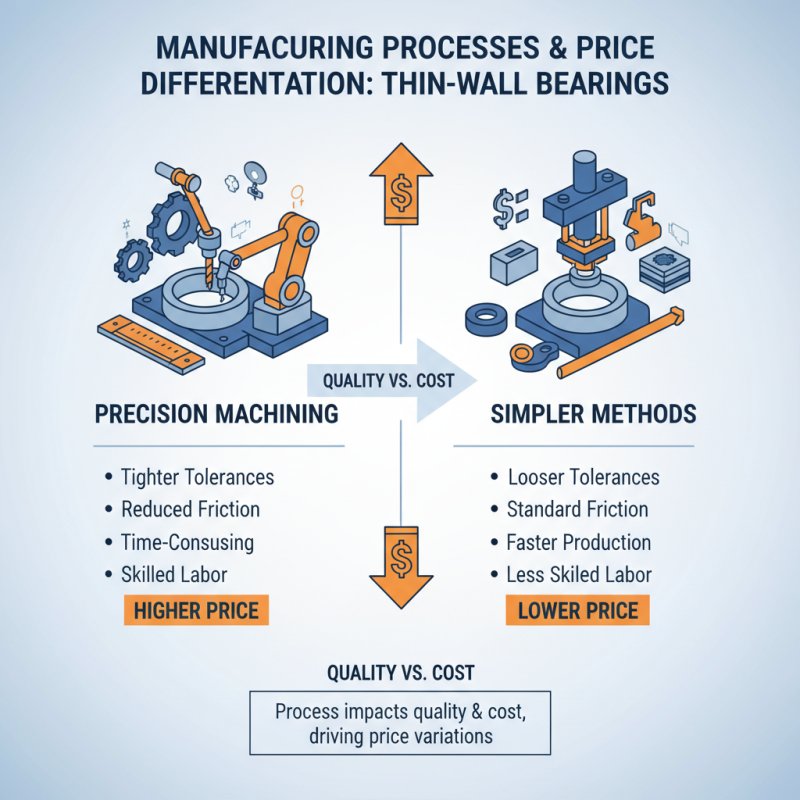
Manufacturing processes also impact the price. Precision machining and advanced technology can enhance quality, driving costs up. However, inefficient production methods may compromise quality. It’s essential to consider trade-offs between cost and performance.
Tips: When selecting thin-wall bearings, evaluate both cost and quality. Focus on the specific application needs. Sometimes, investing in better materials can save money long-term. Additionally, consider the long-term implications of lower-cost choices. Cheaper options might require frequent replacements or repairs, leading to higher overall costs.
Understanding these factors can help in making informed decisions. It’s vital to balance budget constraints with performance requirements. Always reflect on how each choice affects overall efficiency and longevity.
Material Composition and Its Impact on the Price of Bearings
The material composition of thin-wall bearings significantly influences their pricing. Different materials have varying characteristics that affect performance and longevity. For example, bearings made from high-quality steel typically cost more due to better fatigue strength. These bearings generally provide higher load capacities and extended service life compared to those made from standard materials.
According to a recent industry report, around 35% of the cost in bearing manufacturing goes into raw materials. Companies often choose lighter materials, such as aluminum or polymer, to reduce weight. While these may lower costs, they can compromise durability. A study indicated that bearings made from less traditional materials have a 20% shorter lifespan in high-load applications.
Another aspect is the treatment of materials. Specialized coatings can enhance wear resistance, but they also raise the price. Many buyers overlook this when comparing options. Ultimately, the choice of materials is a delicate balance between cost and performance. Skimping on material quality can lead to higher maintenance costs down the line. Yet, many manufacturers still face pressure to minimize expenses.
Why Do Thin-Wall Bearings Have Different Price Lists? - Material Composition and Its Impact on the Price of Bearings
| Material Composition |
Hardness (HRC) |
Load Capacity (N) |
Price per Unit ($) |
Applications |
| Chrome Steel |
60 |
2000 |
5.00 |
Automotive |
| Stainless Steel |
55 |
1500 |
6.50 |
Food Processing |
| Aluminum Alloy |
40 |
1200 |
4.00 |
Aerospace |
| Polymer Composite |
25 |
600 |
3.00 |
Electronics |
| Bronze |
50 |
1800 |
7.00 |
Marine |
Market Demand Trends and Their Influence on Thin-Wall Bearing Prices
Thin-wall bearings are increasingly important in various industries. Market demand trends significantly influence their prices. For instance, the global bearing market was valued at approximately $70 billion in 2022, showing a steady growth rate. Demand from automotive and aerospace sectors pushes prices higher. Companies are looking for lightweight solutions to enhance performance.
A recent report highlights that thin-wall bearings can show price variations up to 30%. This disparity stems from material quality and manufacturing processes. Industries prioritize durability and performance, leading to fluctuating demand swings. As more companies adopt automation, thin-wall bearings must be both cost-effective and reliable.
Interestingly, some manufacturers face challenges in keeping up with quality standards. Inconsistent raw material supply can lead to variations in product offerings. This situation can create confusion for buyers. It’s crucial for companies to communicate clearly about these price differences. Customers need reliable information to make informed choices.