Top 10 JIS Standard Bearings You Should Consider for Your Business?
In today's competitive manufacturing landscape, selecting the right components is critical. JIS Standard Bearings play an essential role in machinery efficiency and reliability. According to a report from Research and Markets, the global bearing market is projected to reach USD 100 billion by 2025, highlighting the demand for high-quality bearings. JIS Standard Bearings, recognized for their stringent quality requirements, can significantly enhance operational productivity.
Numerous businesses underestimate the importance of using industry-standard components. The lack of adherence to standards can lead to increased downtime and higher operational costs. In Japan, JIS standards have been pivotal in ensuring longevity and performance in various applications. While many suppliers provide JIS-compliant products, not all meet the same quality benchmarks. It is crucial for businesses to carefully evaluate potential bearings to avoid costly mistakes.
Moreover, choosing the right bearing isn’t always straightforward. With a plethora of options available, identifying the best JIS Standard Bearings can be daunting. Companies must consider factors such as load capacity, material quality, and application-specific requirements. This decision-making process is vital to ensuring that your business remains competitive and productive in an ever-evolving market.
Top JIS Standard Bearings: An Overview of Industry Applications
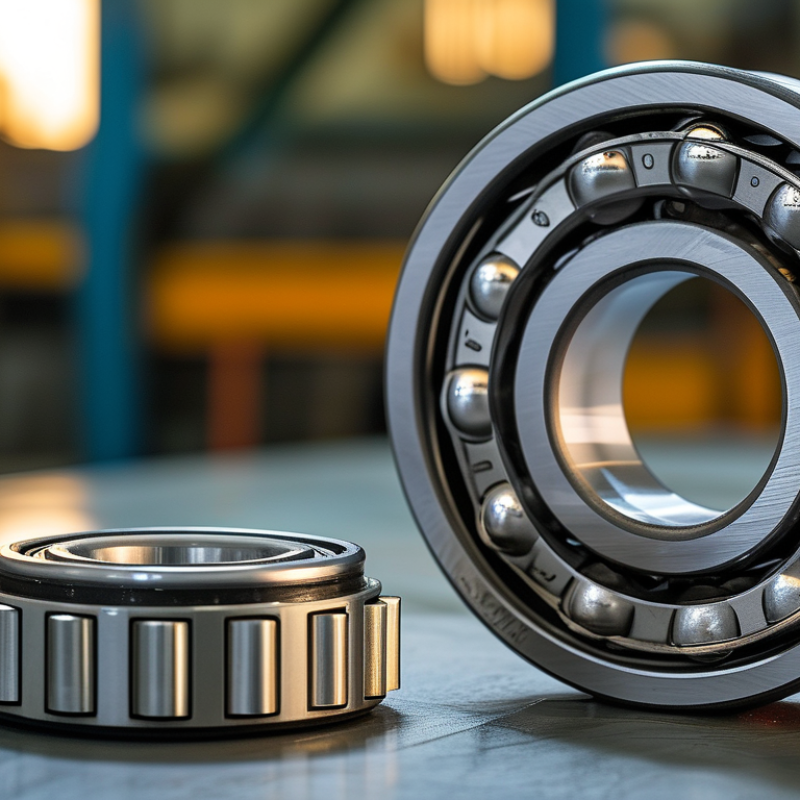
When it comes to JIS standard bearings, understanding their applications is crucial. These bearings play a key role in various industries, from manufacturing to automotive. They ensure smooth operation and enhance machine efficiency. The design and material selection are vital in meeting specific industry needs.
In the manufacturing sector, precision is paramount. JIS bearings provide the reliability required for high-speed operations. They help reduce friction and wear, extending equipment life. However, choosing the right type can be challenging. Often, businesses overlook the environmental factors that can affect bearing performance.
In the automotive industry, JIS standard bearings are essential. They support various vehicle components, from engines to wheel assemblies. Their ability to handle heavy loads is impressive. Companies must assess their specific requirements and adjust accordingly. Failure to do so may result in increased downtime and costs.
Understanding JIS Standards and Their Impact on Bearing Selection
Understanding JIS standards is crucial for selecting the right bearings for your business. The Japanese Industrial Standards (JIS) set specific guidelines that ensure quality, performance, and safety in manufacturing. These standards are recognized globally, making JIS-compliant bearings a reliable choice for various applications. It's essential to consider these standards to minimize operational risks and enhance product longevity.
When selecting bearings, always check for JIS certification. This certification guarantees that the bearings meet stringent quality requirements. Only use bearings that specify their JIS standard rating. Poorly rated bearings can lead to unexpected failures and costly downtime.
Tips: Ensure you choose a supplier familiar with JIS standards. They should provide detailed specifications for each product. Consult with experts who understand the implications of these standards. Their insights can help you make informed choices. Making mistakes in bearing selection can be expensive and time-consuming. Prioritizing JIS standards mitigates these risks.
Key Factors Influencing the Performance of JIS Standard Bearings
When considering JIS standard bearings for your business, several key factors play a crucial role in their performance. The material quality significantly influences durability and load capacity. High-quality steel often provides better wear resistance, while composite materials can reduce weight. Understanding these materials is essential for making informed decisions.
Another important aspect is design precision. The manufacturing process impacts how well bearings fit within their applications. Poor tolerances can lead to increased friction and overheating. It's vital to assess the production techniques employed by suppliers. Additionally, lubrication choices can either enhance or diminish performance in various environments. Matching the right lubricant to your application is not always straightforward.
Lastly, operational conditions must be considered. Factors like temperature, speed, and load can drastically affect a bearing's lifespan. Testing out various bearings in real-world situations might reveal unexpected weaknesses. Continuous assessment and adjustment can ensure the best results in your operations.
Comparative Analysis of the Leading JIS Standard Bearings in the Market
When selecting JIS standard bearings for your business, a comparative analysis can provide valuable insights. These bearings are essential for various applications, ensuring smooth operation and durability. Examining factors such as load capacity, speed ratings, and materials can help businesses choose the right product.
One critical aspect involves the bearing's performance ratings. Higher load capacities often imply better durability but can come with increased costs. Balancing price with performance is vital. Some applications may require bearings that can withstand extreme temperatures, adding complexity to the selection process.
**Tips**: Always review technical specifications. Ensure they match your operational needs. Consider the environmental conditions where the bearings will be used.
Another consideration is the lubrication type. Some bearings come pre-lubricated, while others require periodic maintenance. Regular checks can prevent costly downtimes. However, this maintenance adds to operational overhead, which needs careful thought.
**Tips**: Track the maintenance schedule. Be aware of the lubrication type needed for optimal performance. It's crucial to understand the nuances involved.
Ultimately, it is essential to approach this selection process thoughtfully. Misjudgments can lead to significant operational inefficiencies. Prioritize researching each option's strengths and weaknesses to make informed decisions.
Future Trends in JIS Standard Bearing Technologies and Innovations
The future of JIS standard bearing technologies presents exciting trends that could transform various industries. As the global demand for precision and durability increases, innovations in materials and manufacturing processes will become critical. According to a recent industry report, the bearing market is expected to grow at a CAGR of 5.5% from 2023 to 2030. Such growth emphasizes the need for businesses to adopt advanced bearing solutions that ensure reliability and efficiency.
One pivotal trend is the incorporation of smart technologies into JIS bearings. These innovations can offer real-time monitoring, enhancing operational efficiency. IoT devices embedded in bearings can provide vital data on performance and wear, potentially reducing downtime by 30% in critical applications. However, transitioning to smart solutions presents challenges, like integration costs and the need for staff training.
Tips: Regularly assess your current equipment. Evaluate whether integrating technology can benefit your operations. Ensure that your teams are equipped to handle new technologies as they evolve. Furthermore, sustainable materials are gaining traction, as manufacturers respond to environmental concerns. Businesses must remain vigilant about these trends to stay competitive. Embracing new technologies can have risks. It may take time to fully realize the benefits, but the potential rewards are significant.
Top 10 JIS Standard Bearings - Performance Metrics
The following chart presents the performance metrics of the top 10 JIS standard bearings based on key attributes like load capacity, operating temperature, and cost efficiency.