Choosing a bearing in 2026 means looking beyond load ratings and purchase price. Deep-groove ball bearings suit many compact, high-speed drives; spherical and tapered roller bearings handle different combinations of load and alignment. Yet no type is maintenance-free. A bearing that is difficult to inspect, lubricate, or replace can turn a routine service visit into hours of downtime.
Maintenance has measurable operational value. The U.S. Department of Energy’s Operations & Maintenance Best Practices Guide reports that effective maintenance programs can reduce energy costs by 5–20%, depending on the facility and its practices. That figure is not specific to bearings, but it shows why upkeep deserves attention. ISO 15243:2021 also provides a common framework for classifying rolling-bearing damage and failure. Together, these references point to a practical buying question: can the bearing be serviced correctly, and can the supplier help when something goes wrong?
This guide compares bearing types through the lens of Bearing Maintenance & After-Sales Support. It considers lubrication access, sealing, inspection needs, replacement effort, spare-part availability, and technical response. Think of a technician reaching into a warm motor housing with limited clearance: a clear lubrication schedule and accessible support matter. Small details matter. A strong after-sales offer should explain installation guidance, warranty conditions, and how failure evidence will be reviewed. Buyers should still check these details against their own operating conditions; a good bearing choice on paper may not be the best choice on the shop floor.
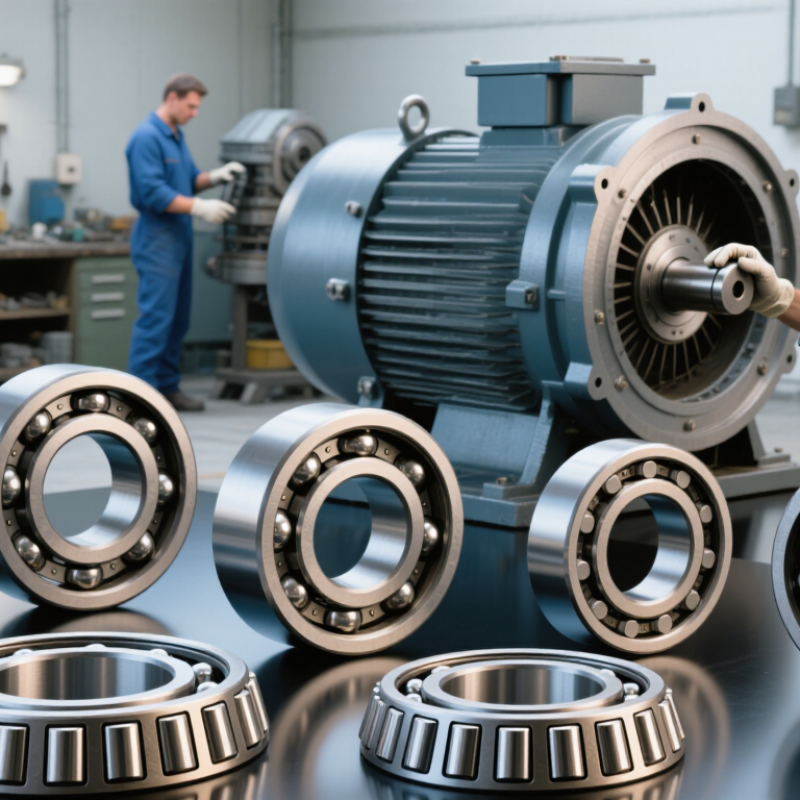
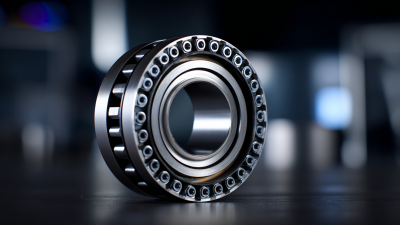
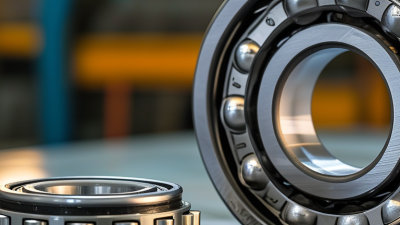
A bearing lets a shaft rotate while supporting radial loads, axial loads, or both. Its main components are the inner ring, outer ring, rolling elements, and cage. The rings create smooth running paths, while balls or rollers carry the load between them. The cage keeps the rolling elements spaced apart. Small parts matter. Poor alignment or the wrong fit can increase friction, heat, and wear, even when the bearing appears undamaged.
Tips: Check the bearing type, load direction, speed, and operating temperature before installation. Keep the work area and shaft clean. Apply the specified lubricant sparingly; excess grease can also cause heat. Seals help block dust and moisture, while shields provide a lighter barrier. Neither makes a bearing immune to contamination.
For easier maintenance, note unusual noise, vibration, or temperature changes during routine checks. A dry, high-pitched sound may suggest lubrication trouble, but it is not a diagnosis by itself. Inspect the shaft and housing too, since damage there can shorten bearing life. One detail is easy to overlook: replacement intervals depend on actual conditions, not just calendar time. Clear service records also help support teams identify recurring failures and recommend suitable parts.
Which Bearing Types Are Best for Easy Maintenance in 2026?
For quick routine service, sealed deep-groove ball bearings suit moderate loads and clean environments. Their compact design and readily available dimensions make inspection and replacement straightforward. In dusty or washdown areas, mounted bearing units with replaceable inserts can be easier to reach and swap than bearings fitted deep inside a machine. Check seals, grease access, and housing alignment before choosing. Small details matter.
For large shafts, split spherical roller bearings can reduce repair time because technicians may replace them without removing nearby couplings or dismantling the shaft. They need more installation space and careful alignment, though. There is a trade-off. No bearing is truly maintenance-free, and sealed units may still need monitoring for heat, noise, or vibration. The U.S. Department of Energy’s Operations & Maintenance Best Practices guide estimates predictive maintenance can save 8–12% compared with preventive maintenance and 30–40% compared with reactive maintenance. These are broad facility-level estimates, not bearing-specific guarantees. Still, they support choosing bearing arrangements that allow easy inspection and condition checks. In practice, the best type depends on load, contamination, access, and the skill available for service. A convenient design can still fail early if grease intervals or installation tolerances are ignored.
Which bearing types are best for easy maintenance? Sealed deep-groove ball bearings generally need the least routine attention, while tapered roller bearings may require more adjustment and lubrication care.
Qualitative design-based comparison: 1 = more routine maintenance attention; 5 = less routine maintenance attention. Actual needs depend on bearing configuration, load, speed, seals, lubrication, and operating conditions. Ratings are comparative guidance, not measured field data.
Maintenance begins with access, not the bearing catalogue. Deep-groove ball bearings are common in compact motors, and their simple geometry can make condition checks straightforward when seals and housings allow access. A mechanic can listen for roughness, check temperature, and compare vibration readings without dismantling the whole assembly. That helps. But a sealed unit may limit relubrication, so the specification must match the service plan.
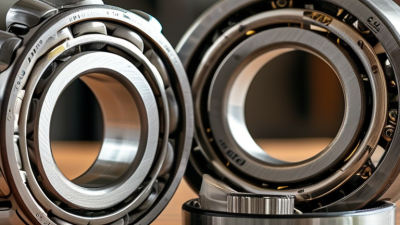
Spherical roller bearings often suit heavy radial loads and slight shaft misalignment. Their split housing arrangement can simplify inspection and removal, while grease fittings and drain points make lubrication routines visible. Tapered roller bearings need careful setting: excess preload raises heat, while too much clearance can shorten service life. Clear fitting instructions matter. A replacement should match load, speed, clearance, and lubricant needs, not just the bore diameter.
Design details also shape after-sales support. Removable covers, standard puller access, and readable identification marks reduce guesswork during a shutdown. Keep records of temperature, relubrication intervals, and removed-part condition; these notes help support teams distinguish wear from installation damage. There is no perfect layout. A grease port can be awkward to reach, and a supposedly quick swap may still require shaft alignment. Review the maintenance steps with the people who will perform them before choosing a bearing arrangement.
Bearing suppliers should offer practical support after delivery, not just a warranty document. Ask for installation guidance, lubrication recommendations, and clear storage instructions. For example, a technician should be able to explain how to avoid contamination when fitting a sealed bearing in a dusty workshop. Small details can prevent early failure.
Reliable after-sales service also includes responsive troubleshooting. Suppliers should explain what information helps diagnose a problem, such as operating temperature, load, running hours, and photographs of the damaged part. Ask how quickly technical questions are answered and whether replacement parts are available. Ask for specifics. Written warranty terms should state coverage, exclusions, and the evidence needed for a claim.
Training and follow-up can be valuable, especially for maintenance teams managing several bearing types. Some suppliers provide inspection checklists or help review failure patterns over time. That matters. Still, support quality can vary between sales promises and real-world response times. No supplier is perfect. Before ordering, confirm who handles technical cases and what happens if a recommended fix does not work. Keep service records, too; they make future discussions clearer and help your team judge whether the advice actually solved the problem.
Choose a bearing for its actual operating conditions, not just its catalogue load rating. Record radial and axial loads, shaft speed, temperature, and exposure to dust or washdown.
A sealed bearing can simplify routine care in a clean, hard-to-reach assembly. In a hot, contaminated housing, a relubricatable design may be easier to inspect and service. Fit matters. Check shaft and housing tolerances, lubricant compatibility, and available removal space before ordering; a bearing that is difficult to extract can turn a small repair into hours of downtime.
After-sales support matters most when a machine is stopped.
Ask for clear installation instructions, lubrication intervals, failure-analysis help, and access to replacement parts with matching dimensions. Keep part numbers and service records together. No guesswork.
The U.S. Department of Energy’s Operations & Maintenance Best Practices guide reports potential program-level reductions of 25–30% in maintenance costs and 35–45% in downtime from predictive maintenance. These are broad estimates, not guaranteed bearing-specific results.
Use vibration, temperature, and lubricant checks to spot changes, then compare readings with a baseline. One easy mistake is changing lubricant intervals without checking operating conditions; that decision deserves a second look.