Top 10 Industrial Machinery Bearings Suppliers You Should Know?
In the realm of industrial machinery, the role of bearings cannot be overstated. These components ensure smooth operation, enhance efficiency, and prolong equipment life. Choosing the right Industrial Machinery Bearings Supplier is crucial for businesses aiming for optimal performance. Suppliers vary in expertise, product quality, and customer service.
Some suppliers stand out due to their history and reputation. Others might offer innovative solutions but lack the reliability needed for critical operations. The landscape is vast, and navigating it can be overwhelming. Understanding your specific needs is essential for making informed decisions. Each supplier presents unique strengths, and only by knowing what they offer can you select the best options.
It's important to consider both established names and emerging players in this market. While long-standing suppliers bring experience, newer companies may introduce cutting-edge technology. Balancing reliability with innovation can be challenging. Reflecting on your own requirements and supplier capabilities can lead to better strategies. Ultimately, informed choices in selecting an Industrial Machinery Bearings Supplier lay the groundwork for long-term success.
Overview of Industrial Machinery Bearings and Their Importance
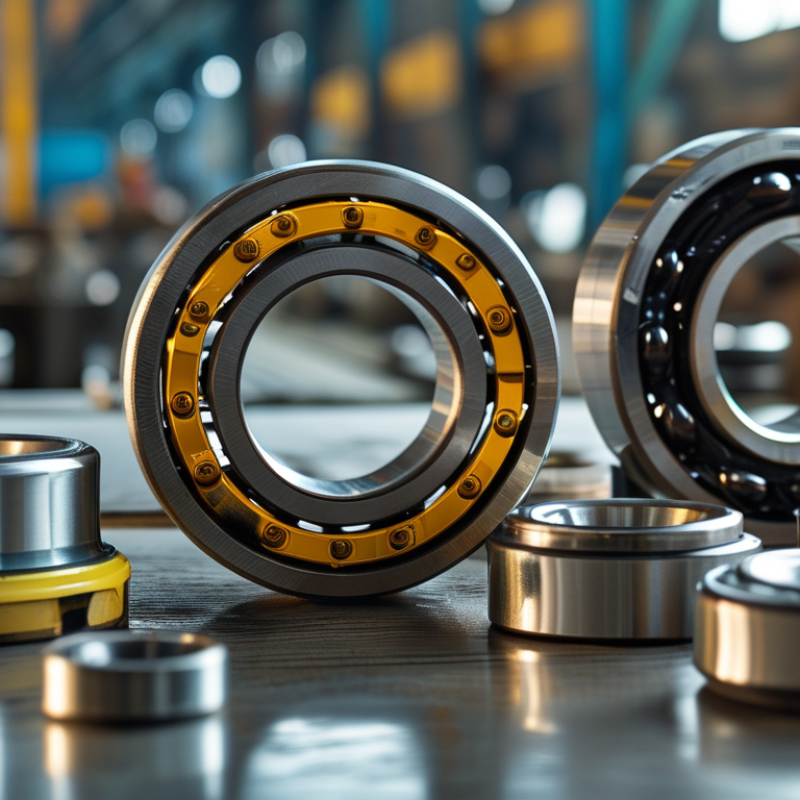
Industrial machinery bearings play a crucial role in various sectors. These components facilitate smooth operation and reduce friction between moving parts. Their reliability directly impacts the efficiency and longevity of equipment. According to a report by Research and Markets, the industrial bearings market is expected to reach $99 billion by 2026, showcasing their increasing significance.
Bearings are not just parts; they are vital in enhancing productivity. A well-functioning bearing can improve machinery performance by up to 40%. However, improper selection and maintenance often lead to failures. The average downtime due to bearing issues can exceed 50 hours annually, causing substantial financial losses. Industries must prioritize proper maintenance practices to mitigate these risks.
The complexity of selecting the right bearing for specific applications remains a challenge. Factors such as load capacity, speed, and environmental conditions influence choices. Many manufacturers struggle with balancing quality and cost. A well-selected bearing reduces wear and tear but requires informed decision-making. Regular assessments and training can help engineers navigate these challenges effectively.
Key Factors to Consider When Choosing Bearings Suppliers
When selecting a bearings supplier, several key factors can greatly impact your decision. Begin with assessing the supplier's experience in the industry. A supplier with years of expertise often provides more reliable products and better service. Furthermore, consider their specialization. Some suppliers focus on specific types of bearings, which might better suit your machinery's needs.
Quality control is another crucial element. Look for suppliers who adhere to rigorous quality standards. This ensures that the bearings will perform optimally in critical applications. Additionally, explore their technology. Advanced manufacturing techniques can lead to enhanced performance and longevity of bearings. This can provide long-term cost savings.
Communication is vital. A trustworthy supplier should respond promptly to inquiries and provide clear information. This transparency builds confidence in their reliability. Reflect on your own needs. Assess how well potential suppliers understand your requirements. Sometimes, the most qualified supplier may not offer the best fit. Balancing these aspects can be challenging but leads to better decision-making.
Top 10 Leading Suppliers of Industrial Machinery Bearings
In the realm of industrial machinery, bearings play a critical role in ensuring seamless operations. According to recent industry reports, the global bearing market was valued at approximately $100 billion in 2022, with a compound annual growth rate (CAGR) of around 5% projected through 2030. This growth underscores the essential nature of quality suppliers in maintaining machine performance.
Several leading suppliers are recognized for their technological innovations and reliability. They focus on improving load capacities, reducing friction, and enhancing durability. Despite advancements, some industries still face challenges. A significant percentage of bearings have shortened lifespans due to improper installation or maintenance, reflecting a gap in knowledge. Training and education for end-users remain vital for maximizing the benefits of high-quality bearings.
Data from industry studies shows that over 30% of failures are attributed to inadequate lubrication. This highlights the importance of not only selecting a reputable supplier but also adhering to best practices. While numerous suppliers vie for market share, understanding specific needs can lead to better performance and longevity of machinery.
Top 10 Industrial Machinery Bearings Suppliers You Should Know
| Supplier Rank |
Annual Revenue (USD) |
Global Market Share (%) |
Headquarters Location |
Key Product Lines |
| 1 |
$1.5 Billion |
15% |
United States |
Ball Bearings, Roller Bearings |
| 2 |
$1.2 Billion |
12% |
Germany |
Spherical Bearings, Deep Groove |
| 3 |
$900 Million |
10% |
Japan |
Tapered Bearings, Thrust Bearings |
| 4 |
$850 Million |
9% |
United Kingdom |
Angular Contact Bearings, Specialty Bearings |
| 5 |
$700 Million |
8% |
France |
Plastic Bearings, Stainless Steel Bearings |
| 6 |
$650 Million |
7% |
Italy |
Cylindrical Roller Bearings |
| 7 |
$600 Million |
6% |
South Korea |
High-Temperature Bearings, Hybrid Bearings |
| 8 |
$550 Million |
5% |
Sweden |
Special Purpose Bearings, Low Friction Bearings |
| 9 |
$500 Million |
4% |
Canada |
Mining Bearings, Railway Bearings |
| 10 |
$450 Million |
3% |
Australia |
Agricultural Bearings, Automotive Bearings |
Comparative Analysis of Supplier Offerings and Innovations
When evaluating industrial machinery bearings suppliers, it's essential to consider their offerings and innovations. Various suppliers provide different types of bearings, including roller and ball bearings. Some focus on durability, while others prioritize precision engineering. A supplier's ability to introduce innovative materials can set them apart in a crowded market.
Many companies invest in research and development. This leads to advancements that enhance performance. Innovations like self-lubricating bearings or smart technology integration reflect a supplier’s commitment to quality. While some suppliers excel in specific areas, such as customization, others might lack in support services. Recognizing these strengths and weaknesses is vital for making informed choices.
Here are some tips: always assess the technical specifications of the bearings you need. Quality often hinges on details like load ratings and environmental suitability. Don’t forget to inquire about warranty and after-sales support. This can be a game-changer in ensuring reliable operation and long-term satisfaction. Keep abreast of industry trends to identify suppliers that are consistently ahead in technology and design.
Trends Shaping the Future of Industrial Bearings Supply Industry
The industrial bearings supply industry faces several trends shaping its future. Industry reports indicate a projected growth rate of 4.5% annually from 2023 to 2030. This growth stems from increased automation and the demand for reliable machinery in various sectors. The move towards smart manufacturing also plays a significant role. Sensors and IoT technology are increasingly integrated into machinery, leading to better monitoring and maintenance of bearings.
Sustainability is another driving force. Many suppliers are now focusing on eco-friendly production methods. The shift toward recyclable materials and energy-efficient processes is becoming the norm. A report by Global Market Insights noted that sustainable bearings could reduce environmental impact by up to 30%. However, the challenge remains in balancing cost-effectiveness with these sustainable practices.
Consider adopting predictive maintenance strategies. This could enhance equipment longevity and reduce unexpected downtime. Understanding the materials used in your bearings can also lead to better performance and lower operational costs. Regularly assess your supplier's commitment to innovation and sustainability. It reflects their potential for long-term partnerships in a rapidly evolving market.